
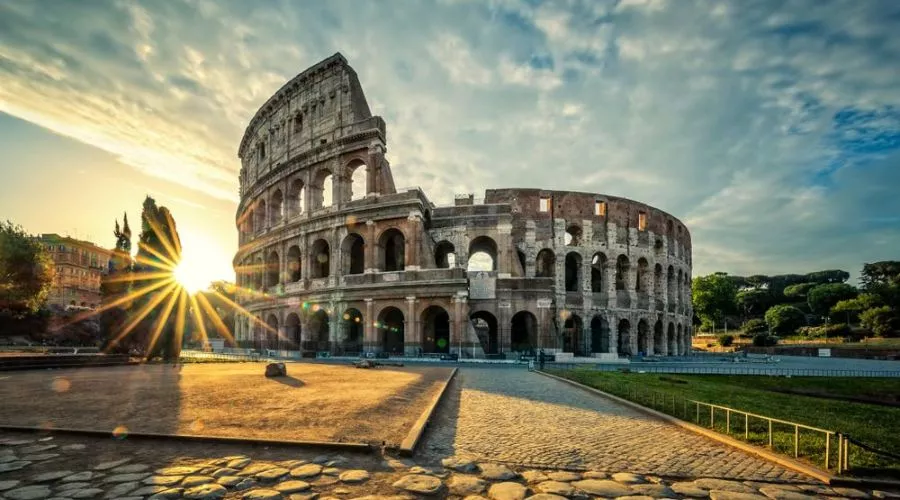
Cultural heritage sites offer travelers an opportunity to step into the past, witness centuries of tradition, and appreciate the artistic, architectural, and historical achievements of civilizations. From ancient ruins and sacred temples to historic towns and preserved villages, these sites preserve the stories, rituals, and identities of communities across the globe.
Exploring cultural heritage sites is both educational and enriching. It provides insight into how societies evolved, the challenges they overcame, and the creativity they expressed through art, architecture, and customs. This guide highlights some of the most remarkable cultural heritage sites that should be on every traveler’s itinerary.
Why Cultural Heritage Sites Matter
Cultural heritage sites are vital not only for tourism but for preserving history, identity, and traditions. Here’s why they matter:
1. Preservation of History
These sites maintain tangible evidence of civilizations, allowing current and future generations to connect with the past.
2. Educational Value
Visitors learn about ancient societies, historical events, and cultural practices in an engaging and immersive manner.
3. Cultural Appreciation
Cultural heritage sites foster respect and understanding for diverse traditions, art forms, and lifestyles.
4. Inspiration
Architecture, art, and craftsmanship at these sites inspire creativity and admiration for human ingenuity.
5. Community and Economy
Preserved heritage sites often support local communities through tourism, crafts, and cultural events, sustaining both culture and economy.
Top Must-See Cultural Heritage Sites
Here is a curated list of cultural heritage sites that showcase the richness of human history and tradition. Each destination offers a unique glimpse into the past while providing unforgettable travel experiences.
1. Machu Picchu
Machu Picchu, the ancient Inca city set high in the mountains, is a marvel of engineering and architecture. Its terraces, temples, and plazas reveal the advanced planning and construction skills of the civilization.
Trekking to Machu Picchu provides stunning vistas and a sense of adventure. Guided tours explain the city’s history, religious significance, and daily life, making it a must-visit for cultural enthusiasts and history lovers.
2. Petra
The rose-red city of Petra, carved into cliffs, is an archaeological and architectural wonder. With its intricate facades, tombs, and monuments, Petra reflects the ingenuity of its creators.
Exploring narrow gorges, hidden chambers, and ancient streets allows visitors to immerse themselves in history. Evening candlelit tours add a mystical ambiance, making the experience unforgettable.
3. Taj Mahal
The Taj Mahal, an iconic marble mausoleum, is a symbol of love and exquisite craftsmanship. Its symmetrical design, intricate carvings, and reflecting pools captivate visitors.
Surrounded by beautifully landscaped gardens, the site provides both aesthetic and cultural experiences. Guided tours detail the construction, history, and stories behind this timeless landmark.
4. Angkor Wat
Angkor Wat, the largest religious monument in the world, showcases impressive Khmer architecture and spiritual significance. Originally a Hindu temple, it later became a Buddhist center, reflecting centuries of cultural evolution.
Visitors explore galleries, stairways, and reflective pools, learning about the symbolism, religious practices, and craftsmanship that define the site. Sunrise and sunset visits provide breathtaking photography opportunities.
5. Chichen Itza
Chichen Itza, a pre-Columbian city, demonstrates the astronomical knowledge and architectural skill of its creators. The Pyramid of Kukulcan aligns with equinoxes, showcasing advanced design.
Families and solo travelers can explore ceremonial platforms, ball courts, and marketplaces, gaining insight into the social, religious, and scientific achievements of the civilization. Cultural performances and workshops add interactive learning experiences.
6. Great Wall of China
The Great Wall is a monumental feat of ancient engineering, spanning vast landscapes. Originally built as a defensive structure, it includes watchtowers, battlements, and fortified pathways.
Walking sections of the wall provides panoramic views and insight into historical military strategies. Guided tours explain its construction, purpose, and historical context, making it both educational and awe-inspiring.
7. Acropolis of Athens
The Acropolis is a symbol of ancient Greek civilization, featuring temples like the Parthenon and Erechtheion. These structures highlight classical architecture, sculpture, and historical significance.
Visitors enjoy panoramic views of the city below while exploring the temples and their intricate details. Guided tours provide historical, political, and cultural insights, enriching the experience.
8. Alhambra
The Alhambra, a fortress and palace complex, showcases Islamic art, architecture, and garden design. Its courtyards, halls, and towers reflect the sophisticated lifestyle of the era.
Walking through intricate mosaics, fountains, and landscaped gardens offers both beauty and education. Stories of dynasties, conquests, and cultural achievements bring the site’s history to life.
9. Mont-Saint-Michel
Mont-Saint-Michel, a medieval abbey on a tidal island, combines natural beauty with historical architecture. Its abbey, fortifications, and winding streets reflect monastic life and medieval engineering.
Tidal excursions, guided tours, and photography opportunities make it a captivating experience for families, couples, and solo travelers alike.
10. Petra Church Ruins
Ruins of Petra Church highlight early Christian architecture, mosaics, and religious traditions. Visiting these ruins allows travelers to explore the craftsmanship, daily life, and spiritual practices of past communities.
Interactive exhibits, guided tours, and storytelling bring history to life, making it engaging for both adults and children.
11. Forbidden City
The Forbidden City, a vast palace complex, reflects imperial life, politics, and architecture. Courtyards, halls, and gardens showcase the grandeur of past dynasties.
Visitors explore exhibits of art, weaponry, and ceremonial artifacts while learning about the customs and traditions of royalty. The symmetry, design, and layout provide insight into historical governance and culture.
12. Stonehenge
Stonehenge is a prehistoric monument with towering stones arranged in a circular pattern. Its purpose remains debated, from ceremonial use to astronomical observation.
Visitors can explore the surrounding landscape, learn about construction methods, and engage with exhibits detailing theories of its origin. Stonehenge offers both mystery and history for travelers.
13. Kremlin
The Kremlin, with its fortified walls, towers, and palaces, symbolizes political and cultural history. Cathedrals, museums, and government buildings provide insight into historical events and architecture.
Guided tours reveal royal ceremonies, historical milestones, and architectural details, making it a rich educational experience.
14. Pompeii
The ancient city of Pompeii preserves life as it existed before the volcanic eruption that covered it in ash. Streets, houses, and artifacts provide a snapshot of Roman daily life.
Exploring Pompeii offers lessons in history, architecture, and archaeology. Visitors can walk through forums, baths, and amphitheaters while learning about the tragic event that froze this city in time.
15. Petra Monastery
Petra Monastery, a towering rock-cut structure, is a testament to ancient craftsmanship and religious devotion. Visitors can hike to the site, enjoying panoramic views along the way.
Its intricate façade and historical significance make it a must-see destination for travelers interested in architecture, culture, and history.
Tips for Visiting Cultural Heritage Sites
To make the most of your visit to cultural heritage sites, consider these tips:
- Research the Site: Learn about history, cultural significance, and highlights before visiting.
- Hire a Guide: Local guides provide stories, context, and hidden details not found in guidebooks.
- Plan Ahead: Book tickets online, check opening hours, and avoid peak seasons when possible.
- Dress Appropriately: Some sites require modest clothing or comfortable shoes for walking.
- Engage Children: Interactive tours, scavenger hunts, and storytelling keep young travelers interested.
- Respect Rules: Follow signage, avoid touching artifacts, and preserve the site for future visitors.
- Capture Memories: Photography and journaling allow you to preserve your experience, but always respect restrictions.
Why Travelers Love Cultural Heritage Sites
Cultural heritage sites allow travelers to connect with the past in a tangible way. They provide education, inspiration, and appreciation for human creativity and resilience. Whether it’s marveling at architectural feats, walking ancient streets, or exploring sacred spaces, these sites create meaningful experiences.
Visitors gain perspective on human achievements, the evolution of societies, and the richness of diverse cultures. Exploring these sites fosters curiosity, empathy, and a deeper understanding of global heritage.
Final Thoughts
Cultural heritage sites around the world offer travelers a chance to explore history, art, and tradition in immersive and memorable ways. From ancient ruins and grand palaces to sacred temples and medieval towns, each site tells a story of civilization, culture, and creativity.
Planning visits with attention to history, logistics, and cultural sensitivity ensures a meaningful experience. Whether traveling solo, with friends, or as a family, exploring cultural heritage sites is a journey through time that leaves lasting impressions and enriches understanding of our shared human history.