
Museums are gateways to the past, windows into artistic expression, and arenas for cultural exploration. For travelers seeking enrichment, inspiration, or simply a deeper understanding of human creativity, visiting world-famous museums provides unforgettable experiences. From iconic masterpieces to interactive exhibitions, these institutions captivate visitors of all ages and interests.
Whether your passion lies in ancient civilizations, modern art, science, or natural history, museums around the world offer a curated journey through human ingenuity, heritage, and imagination. This guide highlights some of the most celebrated museums that every traveler should experience.
Why Museums Are Must-Visit Destinations
Museums are more than just display halls; they serve multiple purposes that enrich travel experiences:
1. Cultural Immersion
Museums showcase artifacts, artworks, and exhibitions that reflect the traditions, values, and creativity of civilizations from around the globe.
2. Educational Value
Visitors can learn about history, art, science, and innovation through immersive exhibits, guided tours, and interactive displays.
3. Inspiration
Masterpieces, cutting-edge installations, and innovative curations inspire creativity and appreciation for artistic expression.
4. Preservation of Heritage
Museums play a vital role in preserving artifacts, documents, and artworks for future generations, offering travelers the opportunity to witness history firsthand.
5. Entertainment for All Ages
Many museums feature family-friendly activities, workshops, and interactive exhibits that engage children and adults alike.
Top World-Famous Museums for Travelers
Here is a curated list of must-visit museums that cater to a wide array of interests, from art and history to science and culture.
1. The Louvre
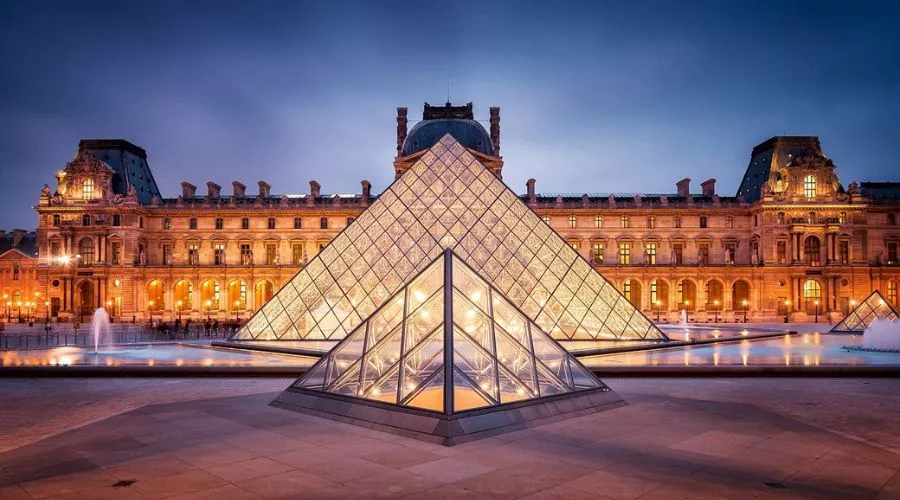
The Louvre, one of the largest and most visited museums globally, is a treasure trove of art and history. Its collection spans centuries and includes iconic masterpieces such as paintings, sculptures, and artifacts from diverse cultures.
Visitors can admire works like Leonardo da Vinci’s celebrated pieces, explore Egyptian antiquities, and marvel at classical sculptures. The museum’s architecture, with its glass pyramid entrance, provides a modern contrast to centuries-old galleries, offering a full sensory experience for art enthusiasts.
2. The British Museum
The British Museum houses an extensive collection of art and artifacts from every corner of the globe. Exhibits include ancient manuscripts, sculptures, and relics from civilizations such as Mesopotamia, Greece, and Egypt.
Travelers can explore the Rosetta Stone, Assyrian carvings, and the Elgin Marbles. The museum provides educational resources and guided tours, allowing visitors to gain context and insight into the historical significance of each artifact.
3. The Metropolitan Museum of Art
The Metropolitan Museum of Art, often called “The Met,” offers an encyclopedic collection of art from across centuries and cultures. From European masters to contemporary installations, its galleries provide a diverse cultural experience.
Special exhibitions, curated events, and educational programs make The Met a vibrant space for travelers seeking depth and variety. Visitors can wander through ancient armor, Renaissance paintings, and modern sculptures while enjoying workshops and guided tours.
4. The Vatican Museums
The Vatican Museums boast an unparalleled collection of religious art, historical artifacts, and cultural treasures. Highlights include the Sistine Chapel, Raphael Rooms, and vast galleries featuring Renaissance masterpieces.
Visitors can appreciate frescoes, sculptures, and tapestries while exploring centuries of papal art and architecture. Guided tours offer insight into religious history, artistic techniques, and cultural significance, making it an enriching experience for travelers.
5. The Uffizi Gallery
The Uffizi Gallery is a must-visit for lovers of Renaissance art. It houses works by artists such as Botticelli, Leonardo da Vinci, and Michelangelo, offering a comprehensive overview of this transformative period.
The museum’s layout allows visitors to follow the evolution of art, from medieval pieces to the height of the Renaissance. Its historical building and scenic views enhance the experience, making it both an artistic and architectural delight.
6. The Smithsonian Institution
The Smithsonian Institution is a group of museums covering art, history, science, and technology. Its wide-ranging collections provide something for every traveler, from space exploration exhibits to American history displays.
Interactive installations, live demonstrations, and educational workshops make the Smithsonian especially appealing to families and students. With multiple locations and specialized museums, it offers an extensive and engaging experience.
7. The Rijksmuseum
The Rijksmuseum, located in a historic building, features masterpieces from Dutch painters and a rich collection of artifacts. Visitors can admire works by Rembrandt, Vermeer, and other notable artists while exploring exhibits on Dutch history and culture.
The museum’s layout encourages exploration, and guided tours provide detailed insights into the techniques, themes, and historical context behind the artworks. Seasonal exhibitions and cultural events enhance the visitor experience.
8. The Hermitage Museum
The Hermitage Museum is one of the largest and oldest museums in the world. It houses an extensive collection of art, jewelry, sculptures, and historical artifacts spanning centuries and continents.
Travelers can explore royal collections, classical paintings, and decorative arts. The building itself, a masterpiece of architecture, complements the richness of the collections, making each visit a blend of art and history.
9. The Museum of Modern Art (MoMA)
MoMA is renowned for its cutting-edge contemporary art collection. From paintings and sculptures to digital media and installations, it represents the evolution of modern artistic expression.
Visitors can view works by Picasso, Van Gogh, and Warhol while exploring experimental pieces that challenge traditional art forms. Interactive exhibitions, film screenings, and workshops create an immersive environment for modern art enthusiasts.
10. The Prado Museum
The Prado Museum offers a deep dive into European art history. Its galleries feature masterpieces from Spanish, Italian, and Flemish artists, covering multiple centuries.
Travelers can admire works by Velázquez, Goya, and Titian while exploring historical context and artistic movements. The museum’s architecture and curated exhibitions enhance the experience, providing both aesthetic and educational value.
11. The Louvre-Lens
An extension of the famous Louvre, this museum presents carefully curated collections in a modern architectural setting. It combines classical art with contemporary exhibition spaces, allowing visitors to engage with art in innovative ways.
Interactive displays and thematic exhibitions provide context and storytelling, making it an accessible and enriching experience for families, students, and art lovers alike.
12. The National Gallery
The National Gallery houses European paintings from the 13th to 19th centuries. Its collection includes iconic works by Van Eyck, Titian, and Turner.
Visitors can enjoy guided tours, lectures, and family-friendly workshops that explain the historical significance and artistic techniques behind the masterpieces. Its central location often allows travelers to combine museum visits with exploring surrounding cultural landmarks.
13. The Victoria and Albert Museum
The Victoria and Albert Museum focuses on decorative arts, design, and fashion history. Exhibits include textiles, jewelry, ceramics, and historic costumes from around the world.
Interactive displays and workshops make the museum appealing to both adults and children. Travelers can explore the evolution of design and craftsmanship while appreciating artistic innovation across cultures and centuries.
14. The Getty Center
The Getty Center offers art collections ranging from European paintings to decorative arts and manuscripts. Its hilltop location provides breathtaking views and combines artistic appreciation with architectural beauty.
Visitors can explore gardens, galleries, and special exhibitions while enjoying cultural programs, lectures, and family-oriented activities. Its serene setting enhances the overall experience, making it ideal for thoughtful exploration.
15. The Art Institute of Chicago
The Art Institute of Chicago is celebrated for its diverse collection of paintings, sculptures, and modern installations. From Impressionist masterpieces to contemporary works, the museum caters to a wide array of artistic interests.
Interactive tours, educational programs, and workshops make it an engaging destination for all ages. Travelers can explore the evolution of art while enjoying the museum’s iconic architectural spaces and curated exhibitions.
Tips for Visiting World-Famous Museums
To make the most of a museum visit, consider these tips:
- Plan Ahead: Check opening hours, book tickets online, and prioritize must-see exhibits.
- Hire a Guide: Expert guides provide historical context, stories, and insights.
- Use Audio Guides: Many museums offer audio guides for self-paced exploration.
- Wear Comfortable Clothing: Museums often require extensive walking and standing.
- Engage Kids: Interactive exhibits, scavenger hunts, and educational workshops keep children engaged.
- Allow Time for Reflection: Pause at favorite exhibits to fully absorb the experience.
- Capture Memories Responsibly: Follow photography rules and enjoy the exhibits without distraction.
Why Museums Inspire Travelers
Museums are more than repositories of art and history—they are spaces of imagination, reflection, and discovery. They inspire curiosity, creativity, and critical thinking, allowing travelers to connect with human achievements across time and cultures.
Visiting museums encourages exploration, learning, and appreciation of cultural diversity. Whether marveling at ancient artifacts, studying Renaissance masterpieces, or interacting with modern art installations, travelers gain insight into the breadth of human expression.
Final Thoughts
World-famous museums offer travelers a unique opportunity to explore art, history, and culture in depth. From ancient relics and medieval masterpieces to contemporary installations and interactive exhibits, each museum provides an immersive journey through human creativity and innovation.
Careful planning, guided tours, and an openness to explore diverse collections enhance the experience, making museum visits both educational and memorable. Travelers can connect with stories, traditions, and artistic achievements that span centuries, fostering appreciation, inspiration, and cultural understanding.