
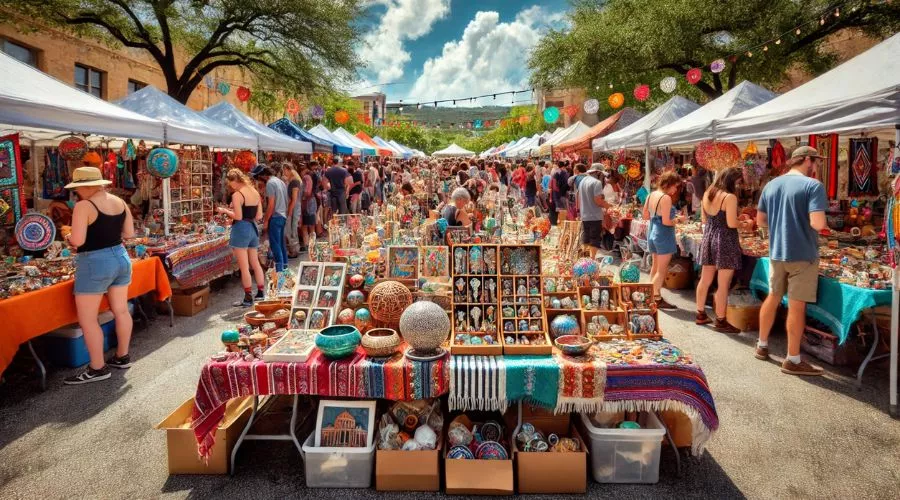
Artisan markets have long been places where creativity thrives, community connections deepen, and traditional craftsmanship finds a modern audience. These vibrant marketplaces showcase the dedication of independent creators who shape raw materials into functional art, soulful gifts, and one-of-a-kind treasures. For travelers and shoppers seeking unique experiences, artisan markets offer more than a shopping outing—they provide an immersive window into local culture, heritage, and handmade traditions.
From bustling weekend bazaars to curated craft fairs nestled in charming towns, artisan markets celebrate authenticity in an era dominated by mass-produced goods. Whether you’re a collector, a design enthusiast, or simply someone who appreciates handmade quality, exploring these markets offers endless inspiration. In this blog, we’ll dive into why artisan markets matter, the types of handmade goods you’ll find, and the best ways to make the most of your market adventures.
Why Artisan Markets Matter More Than Ever
1. A Celebration of Craftsmanship
At their core, artisan markets are a tribute to finely honed skills. Woodworkers, ceramicists, glass artists, silversmiths, weavers, and culinary artisans bring their creations directly to the public. Each item tells a story—shaped by hands, time, and technique. Unlike factory-made products, handmade goods carry individuality and character, making every piece unique.
2. Supporting Independent Creators
Every purchase at an artisan market directly impacts a maker’s livelihood. Independent creators often rely on these markets to sustain their businesses, invest in materials, and continue refining their craft. Shopping at these events encourages sustainable economic ecosystems, where creativity is rewarded and craftsmanship endures.
3. A Cultural and Community Experience
Artisan markets often blend shopping with live music, food stalls, workshops, and cultural performances. This transforms the experience from simple browsing into an engaging community gathering. Visitors can meet the makers, learn the stories behind the crafts, and understand regional influences that shape their work.
4. Eco-Friendly and Ethical Shopping
Handmade goods commonly rely on sustainable materials, traditional techniques, and low-impact production processes. Whether it’s hand-woven textiles, reclaimed wood furniture, or natural skincare products, artisan markets highlight responsible consumer choices.
What You Can Expect to Find: A World of Handcrafted Treasures
1. Handmade Jewelry
Artisan jewelry stands out for its originality and craftsmanship. From hand-hammered brass earrings to gemstone necklaces with symbolic meaning, every piece is thoughtfully created. Many jewelers incorporate ancestral techniques, blending cultural heritage with modern design.
Popular styles include:
- Bohemian stone jewelry
- Minimalist gold-filled pieces
- Traditional beadwork
- Hand-stamped silver rings
- Nature-inspired pendants
2. Textiles and Fiber Art
Woven blankets, hand-dyed scarves, macramé décor, and embroidered garments often fill the textile booths. These items bring warmth and artistry into everyday life. Fiber artists frequently use natural dyes, organic materials, and traditional stitching techniques passed through generations.
3. Ceramics and Pottery
Ceramic artists create everything from rustic mugs and bowls to sculptural vases and abstract decorative pieces. No two items are ever identical, and many ceramicists host live demonstrations, allowing visitors to watch clay become functional art.
4. Paintings, Prints, and Illustrations
Artisan markets are excellent places to discover independent painters, illustrators, and mixed-media artists. Whether you’re into watercolor landscapes, vibrant digital prints, or intricate ink drawings, markets offer a wide range of visual art to bring personality to your space.
5. Woodcraft and Home Décor
Hand-carved cutting boards, wooden toys, furniture accents, and decorative sculptures are common finds. Many woodworkers use locally sourced or reclaimed timber, ensuring sustainability and durability.
6. Bath, Body, and Wellness Products
From small-batch soaps to organic skincare, artisan wellness brands emphasize natural, plant-based formulas. These products not only smell divine but also avoid harsh chemicals found in mass-produced items.
7. Gourmet and Culinary Treats
Food stalls often feature artisanal chocolates, infused oils, freshly baked goods, handcrafted jams, herbal teas, and more. Sampling these treats is one of the highlights of any artisan market adventure.
Types of Artisan Markets to Explore
Different regions offer a variety of market styles, each with its charm and specialty.
1. Farmer-Artisan Hybrid Markets
These markets combine fresh produce with handmade crafts. Visitors can shop for vegetables, cheese, flowers, and artisan goods in one location. It’s a perfect blend of food culture and craftsmanship.
2. Seasonal Craft Fairs
Holiday fairs, summer craft festivals, and spring maker events create festive atmospheres filled with themed décor, seasonal gifts, and community performances.
3. Night Markets
Night markets bring a magical, illuminated vibe. Often accompanied by music and street food, they are ideal for those who prefer a lively, after-dark shopping experience.
4. Urban Artisan Districts
Some cities have permanent artisan districts where creators maintain small shops or studios. These areas are perfect for deeper explorations into local art culture.
5. Pop-Up Markets and Maker Gatherings
Hosted in parks, breweries, or community centers, pop-up markets showcase emerging creators and innovative handmade concepts.
How to Make the Most of Your Artisan Market Experience
1. Go Early for the Best Finds
Arriving early gives you first access to one-of-a-kind items. Since many pieces are limited or completely unique, early shoppers often snag the most distinctive creations.
2. Talk to the Makers
One of the biggest advantages of artisan markets is the direct interaction with creators. Don’t hesitate to ask about:
- Techniques and materials
- Inspiration behind the work
- Customization options
- Care instructions
These conversations deepen your appreciation and help you form meaningful connections.
3. Bring Eco-Friendly Bags and Packaging
Since many creators focus on sustainability, bringing your own tote bags and containers aligns perfectly with the eco-friendly mindset of the market.
4. Set a Budget but Stay Flexible
It’s easy to fall in love with multiple items. Setting a general budget helps, but keeping some flexibility allows you to invest in exceptional pieces you may not find again.
5. Support New or Emerging Creators
Every market features rising artists experimenting with innovative styles and bold ideas. Purchasing from them helps nurture future creativity and encourages artistic exploration.
6. Explore Workshops and Live Demos
Many markets host interactive sessions, from pottery demonstrations to weaving workshops. Participating in these can enrich your experience and teach you new appreciation for handmade work.
7. Follow Your Favorite Creators Online
Most makers maintain social media pages or online shops. Following them ensures you stay updated on future collections, events, and special releases.
Why Handmade Goods Make the Best Gifts
Handmade items carry emotion and intentionality that mass-produced items simply cannot replicate. Whether it’s a hand-poured candle, a custom bracelet, or a unique piece of home décor, these gifts reflect thoughtfulness. Every handmade piece comes with a story—a journey from raw material to a finished treasure crafted with care.
Giving handmade goods also supports the creative community and encourages positive, sustainable economic cycles. Instead of contributing to fast-consumerism trends, you’re investing in meaningful craftsmanship.
Traveling for Artisan Markets: What to Expect
For travelers who enjoy exploring creative communities, planning trips around artisan markets can transform ordinary travel into immersive cultural experiences. Many towns and regions host annual festivals that highlight local traditions, indigenous craftsmanship, or contemporary design.
Expect warm hospitality, open-air venues, vibrant music, and a rich blend of cultures. You’ll often discover regional specialties—from coastal pottery styles to mountain-inspired woodcraft, desert-influenced jewelry, or farm-based culinary creations.
Pair your market visits with:
- Local food tastings
- Museum tours
- Nature day trips
- Historical walking tours
This adds depth and diversity to your journey, creating unforgettable memories filled with creativity and cultural expression.
The Future of Artisan Markets
Despite the rise of online shopping, artisan markets continue to thrive. In fact, they’ve grown in popularity due to increased appreciation for authenticity, sustainability, and human connection. Many markets now blend physical experiences with digital platforms, allowing creators to reach broader audiences without losing the charm of face-to-face interaction.
Trends shaping the future include:
- Eco-focused craft practices
- Slow-fashion and ethical fashion movements
- Upcycled and reclaimed material artistry
- Cultural preservation through traditional craft
- Hybrid markets combining food, music, and workshops
This evolving landscape ensures that artisan markets will remain relevant, inspiring, and cherished for generations.
Final Thoughts
Artisan markets are far more than shopping destinations—they are vibrant cultural ecosystems where creativity flourishes, traditions are honored, and communities come alive. Whether you’re a seasoned market enthusiast or a first-time visitor, exploring these handmade havens offers a meaningful connection to artistry and authenticity.
Every handmade item you bring home represents not just a product, but a story: a maker’s dream, a community’s culture, and a moment of human connection. As you wander through bustling stalls filled with textures, colors, scents, and sounds, you’re stepping into a world where craftsmanship matters and creativity shapes everyday life.