
Travel today is no longer just about reaching a destination—it’s about how a place makes you feel. For travelers seeking memorable stays, boutique hotels with unique design have become destinations in their own right. These properties go beyond standard accommodation by offering thoughtfully curated spaces, architectural innovation, and a strong sense of identity. Every hallway, room, and shared space tells a story, turning overnight stays into immersive experiences.
From converted heritage buildings to bold modern structures, design-driven boutique hotels celebrate creativity, craftsmanship, and individuality. They attract travelers who appreciate aesthetics, authenticity, and meaningful details. This guide explores what makes boutique hotels truly distinctive, the design philosophies behind them, and why they are redefining luxury and comfort for modern explorers.
What Defines a Boutique Hotel with Unique Design?
Boutique hotels are typically smaller than mainstream properties, allowing for greater attention to detail and personalization. When paired with unique design, these hotels stand out for several key reasons:
- Strong architectural identity
- Curated interiors rather than standardized décor
- A cohesive theme or narrative
- Integration of local culture and materials
- Artistic expression through furniture, lighting, and layout
Rather than following global design templates, these hotels embrace originality, often collaborating with architects, interior designers, and artists to craft one-of-a-kind environments.
The Role of Architecture in Boutique Hotel Design
Reimagined Historic Buildings
Many boutique hotels are housed in former mansions, factories, warehouses, monasteries, or townhouses. Designers preserve original elements such as exposed brick, vaulted ceilings, wooden beams, or stone walls while blending them with modern comforts. The contrast between old and new creates a sense of timeless character.
Bold Contemporary Structures
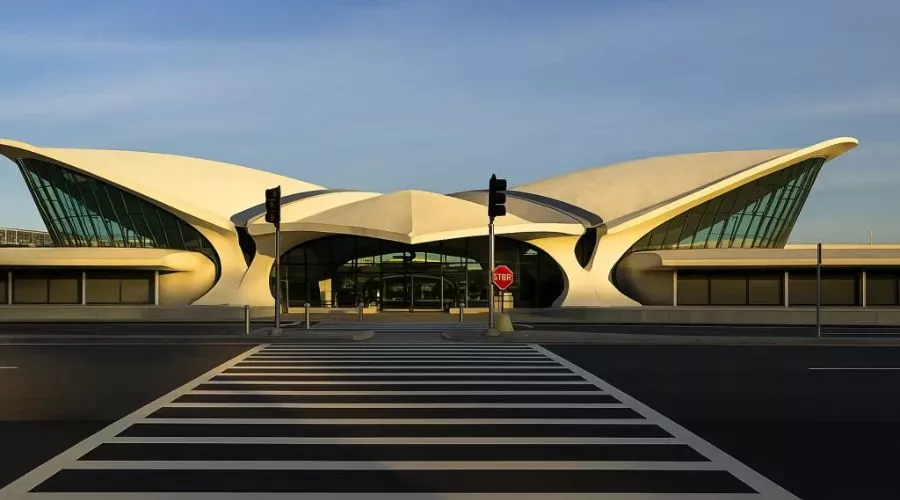
Some boutique hotels push boundaries through avant-garde architecture. Clean lines, asymmetrical forms, glass facades, and unconventional layouts transform the building itself into a visual statement. These properties appeal to travelers drawn to modern art and progressive design.
Nature-Integrated Architecture
Unique design often means harmony with surroundings. Boutique hotels in mountains, deserts, forests, or coastal areas frequently incorporate natural materials, panoramic windows, open-air courtyards, and organic shapes that blur the line between indoor and outdoor living.
Interior Design That Tells a Story
Curated Rather Than Mass-Produced
Furniture in design-forward boutique hotels is rarely generic. Expect custom-made pieces, vintage finds, handcrafted décor, and bespoke textiles. Every item is chosen intentionally to support the hotel’s overall aesthetic.
Thematic Rooms
Unlike traditional hotels where rooms look nearly identical, boutique properties may feature individually designed rooms. Themes might draw inspiration from local history, literature, music, art movements, or even nature. Guests can choose a room that matches their personality or mood.
Art as a Central Element
Artwork plays a defining role in many boutique hotels. Walls may showcase works from emerging artists, local creators, or rotating exhibitions. Some hotels function as living galleries, allowing guests to experience art beyond traditional museums.
Thoughtful Use of Color and Light
Design-driven hotels use color palettes and lighting strategically to evoke emotion. Soft earth tones promote calm, while bold colors create drama. Natural light is maximized wherever possible, enhancing both comfort and visual appeal.
Why Travelers Choose Design-Focused Boutique Hotels
1. Emotional Connection
These hotels create an atmosphere that resonates on a personal level. Guests remember how the space made them feel, not just how comfortable the bed was.
2. Authentic Experiences
Unique design often reflects local culture, traditions, and craftsmanship. Staying in such a hotel provides insight into the destination beyond popular attractions.
3. Instagram-Worthy Spaces
From statement staircases to rooftop lounges and artistic bathrooms, boutique hotels attract travelers who appreciate visually striking environments.
4. Personalized Service
Smaller size allows staff to deliver tailored experiences, from customized room setups to local recommendations aligned with guest interests.
Design Styles Found in Boutique Hotels
Industrial Chic
Inspired by converted factories or warehouses, this style features exposed brick, steel accents, concrete floors, and minimalist furniture softened by warm lighting and textiles.
Bohemian Elegance
Layered textures, handcrafted décor, vibrant patterns, and global influences define bohemian boutique hotels. These spaces feel relaxed, creative, and deeply personal.
Mid-Century Modern
Clean lines, geometric forms, warm woods, and retro-inspired furnishings create timeless elegance with a nostalgic edge.
Minimalist Luxury
Less is more in minimalist boutique hotels. Neutral tones, uncluttered spaces, natural materials, and subtle details promote calm and focus.
Cultural Heritage Design
These hotels celebrate regional identity through traditional materials, motifs, and craftsmanship while integrating contemporary comfort.
Common Spaces Designed for Connection
Boutique hotels often prioritize communal areas as much as private rooms. Design plays a key role in encouraging interaction and relaxation.
Lobby as a Living Room
Instead of formal reception desks, many boutique hotels offer lounge-style lobbies with sofas, bookshelves, fireplaces, or cafés, creating a welcoming, residential feel.
Rooftop and Courtyard Spaces
Rooftops, terraces, and courtyards are designed as social hubs, often featuring greenery, art installations, or panoramic views.
Creative Dining Areas
Restaurants and cafés within boutique hotels frequently reflect the same design philosophy, offering immersive dining experiences where food and ambiance complement each other.
Sustainability Through Design
Unique design increasingly goes hand in hand with responsible practices.
Eco-Conscious Materials
Reclaimed wood, recycled metals, natural stone, and organic textiles reduce environmental impact while adding character.
Energy-Efficient Architecture
Smart lighting, natural ventilation, and insulation-focused design reduce energy consumption without sacrificing comfort.
Local Craftsmanship
Supporting local artisans not only preserves cultural heritage but also reduces the carbon footprint associated with mass production.
Ideal Travelers for Design Boutique Hotels
Boutique hotels with unique design appeal to a wide range of travelers:
- Couples seeking romantic, intimate stays
- Solo travelers who appreciate creative spaces
- Design enthusiasts and architecture lovers
- Creative professionals and remote workers
- Travelers looking for meaningful, non-generic experiences
These hotels often feel less transactional and more experiential, making them especially appealing for shorter stays where ambiance matters.
How to Choose the Right Design Boutique Hotel
1. Research the Design Story
Read about the hotel’s concept, architect, or inspiration. A strong narrative usually reflects thoughtful execution.
2. Check Room Variations
Since rooms may differ significantly, review photos and descriptions carefully before booking.
3. Read Guest Reviews
Look for feedback on comfort, noise levels, service, and how accurately the design is represented online.
4. Consider Location
Design-forward hotels may be tucked into historic districts, creative neighborhoods, or scenic settings rather than business centers.
5. Balance Style and Comfort
Striking design should enhance, not compromise, comfort. Ensure essentials like lighting, storage, and bathroom functionality meet expectations.
The Future of Boutique Hotel Design
As travelers seek deeper connections with destinations, boutique hotels will continue evolving. Future trends include:
- Adaptive reuse of unconventional spaces
- Greater emphasis on wellness-focused design
- Integration of technology without visual clutter
- Stronger collaboration with artists and designers
- Personalized design elements tailored to guest preferences
Rather than chasing trends, the most successful boutique hotels will remain authentic, intentional, and deeply rooted in storytelling.
Final Thoughts
Boutique hotels with unique design redefine what it means to stay somewhere memorable. They invite guests into carefully crafted worlds where architecture, art, and atmosphere come together seamlessly. These hotels prove that accommodation can be more than functional—it can be inspiring, emotional, and deeply personal.
For travelers who value creativity, individuality, and meaningful experiences, design-driven boutique hotels offer something truly special. Every stay becomes a chapter in a larger story—one shaped by space, style, and the unforgettable feeling of being somewhere entirely unique.