
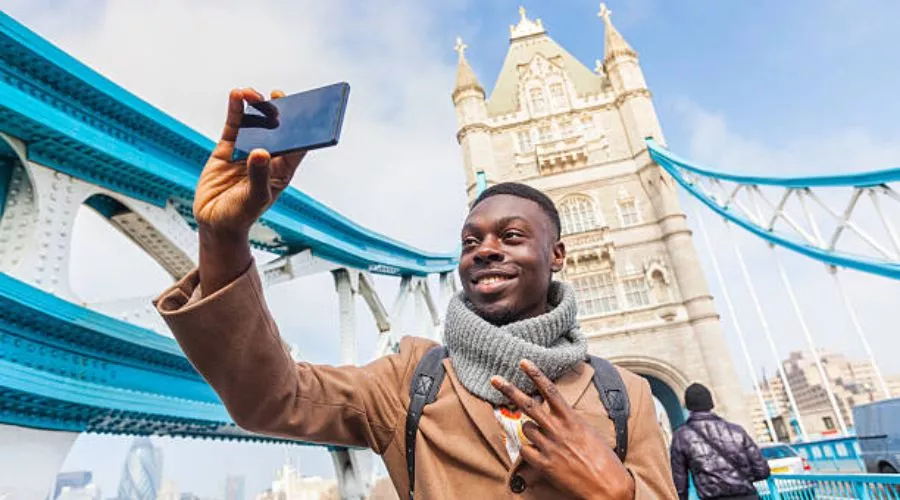
Traveling alone for the first time can feel exciting and intimidating at the same time. Questions about safety, loneliness, planning, and confidence are completely normal. The truth is, solo travel is one of the most empowering experiences you can have. With the right mindset and preparation, even first-time solo travelers can explore the world safely and joyfully.
This guide covers everything beginners need to know—from planning and packing to staying safe and enjoying your own company.
Why Try Solo Travel as a Beginner?
Solo travel offers experiences that group trips often can’t:
- Complete freedom over your schedule
- Strong personal growth and confidence
- Deeper cultural immersion
- More meaningful interactions with locals
- Time for self-reflection and creativity
Starting small and choosing beginner-friendly approaches makes solo travel accessible to everyone.
1. Start with the Right Destination
As a beginner, your destination choice matters more than anything else.
What to Look For
- Good public transportation
- Safe, walkable neighborhoods
- Friendly locals and tourist infrastructure
- Clear signage and English-friendly communication
Beginner Tip
Choose cities or regions that are well-known for tourism and have strong travel support systems. Avoid remote or overly complex destinations for your first trip.
2. Plan, But Don’t Overplan
Having a basic plan reduces anxiety, but overplanning removes flexibility.
What to Plan in Advance
- Accommodation for the first few nights
- Airport or arrival transport
- Major activities you don’t want to miss
- Copies of important documents
What to Leave Flexible
- Daily schedules
- Meals and casual exploration
- Social activities
3. Choose the Right Accommodation
Your accommodation sets the tone for your solo trip.
Best Options for Beginners
- Hostels with private rooms
- Boutique hotels in central areas
- Guesthouses with on-site hosts
What to Check Before Booking
- Reviews from solo travelers
- Location near public transport
- 24-hour reception or self check-in
- Secure entry and lockers
4. Pack Smart and Travel Light
Overpacking makes solo travel harder.
Beginner Packing Tips
- Pack versatile clothing
- Use a daypack for essentials
- Keep valuables spread out
- Bring a portable charger
Safety Packing Essentials
- Copies of passport and ID
- Emergency contact list
- Small lock
- Travel insurance details
5. Stay Safe Without Being Fearful
Safety awareness is important, but fear should never control your trip.
Everyday Safety Tips
- Stay aware of your surroundings
- Avoid deserted areas late at night
- Use reputable transport services
- Trust your instincts
Personal Safety Habits
- Don’t overshare personal details
- Blend in with local dress
- Keep your phone charged
- Know emergency numbers
6. Learn How to Enjoy Being Alone
Many beginners worry about loneliness, but solo travel teaches comfort with yourself.
Ways to Enjoy Solo Time
- Visit cafés and people-watch
- Walk through neighborhoods
- Journal or take photos
- Explore museums and parks
Being alone doesn’t mean being lonely—it means being free.
7. Meet People Safely While Traveling Solo
You can be social without forcing it.
Easy Ways to Connect
- Join walking or food tours
- Stay in social accommodations
- Take local classes or workshops
- Attend events or markets
Beginner Tip
Meeting people naturally through activities feels safer than approaching strangers randomly.
8. Eat Alone with Confidence
Eating alone is one of the biggest fears for new solo travelers—but it gets easy quickly.
Beginner-Friendly Dining Tips
- Choose casual cafés or food halls
- Sit at the counter when possible
- Bring a book or phone
- Enjoy local street food
Remember, locals eat alone all the time—it’s normal.
9. Use Technology to Your Advantage
Your phone is your best travel companion.
Helpful Apps
- Maps and navigation
- Translation tools
- Transport apps
- Accommodation booking platforms
Digital Safety Tips
- Use secure Wi-Fi
- Enable phone tracking
- Back up photos and documents
10. Manage Travel Anxiety as a Beginner
Feeling nervous doesn’t mean you’re not ready.
How to Reduce Anxiety
- Start with short trips
- Arrive during daylight hours
- Build routine into your day
- Take rest breaks
Confidence grows with every small success.
11. Budgeting Tips for First-Time Solo Travelers
Traveling alone doesn’t have to be expensive.
Smart Budget Strategies
- Set a daily spending limit
- Use public transportation
- Mix free activities with paid ones
- Book key experiences early
Tracking expenses helps avoid stress later.
12. Respect Local Culture and Customs
Cultural awareness improves safety and enjoyment.
Beginner Etiquette Tips
- Learn basic greetings
- Observe local behavior
- Dress appropriately
- Follow photography rules
Respect builds positive interactions everywhere you go.
13. Know When to Slow Down
You don’t have to see everything.
Signs You Need a Break
- Feeling exhausted or overwhelmed
- Irritability or anxiety
- Loss of excitement
Rest days are part of successful solo travel.
14. Common Beginner Mistakes to Avoid
- Trying to do too much
- Ignoring instincts
- Overpacking
- Choosing inconvenient locations
- Comparing your journey to others
Your solo trip doesn’t need to look like anyone else’s.
15. What Solo Travel Teaches Beginners
- Independence and decision-making
- Confidence in unfamiliar situations
- Comfort with solitude
- Openness to new experiences
- Trust in yourself
These lessons stay with you long after the trip ends.
Final Thoughts
Solo travel for beginners isn’t about being fearless—it’s about being prepared. Every experienced solo traveler started exactly where you are now, with doubts and excitement mixed together. With thoughtful planning, safety awareness, and an open mindset, your first solo trip can be life-changing.
Traveling alone teaches you that you are capable, adaptable, and stronger than you think. Start small, trust yourself, and take that first step—one solo journey at a time.