
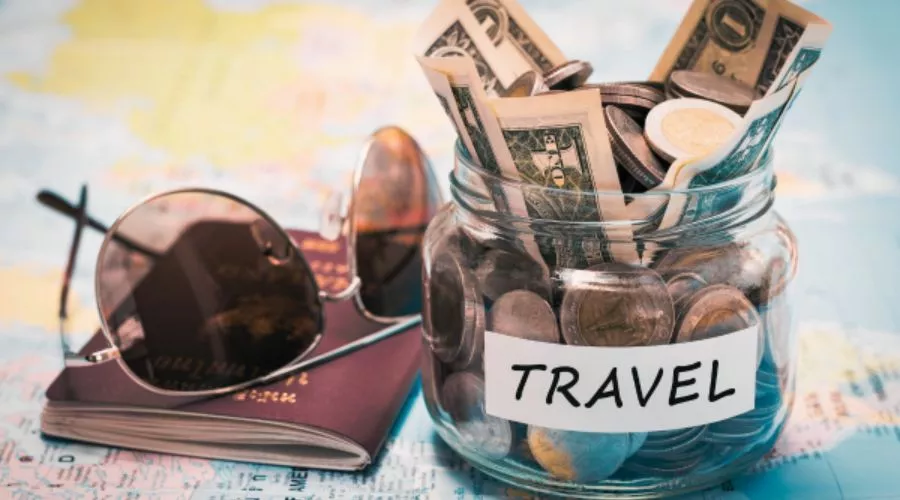
Travel doesn’t have to be expensive to be memorable. With smart planning and flexible choices, you can explore more destinations, stay longer, and enjoy meaningful experiences without overspending. The key lies in understanding where to save, where to spend, and how to avoid common money traps.
These proven travel strategies work for solo travelers, couples, families, and digital nomads alike.
1. Plan Smart, Not Early or Late
Timing is one of the biggest factors in travel costs.
How to Save
- Travel during shoulder seasons
- Avoid peak holidays and major events
- Book flights midweek when prices are often lower
- Compare prices across multiple dates
Pro Tip
Flexibility with travel dates can reduce costs dramatically.
2. Be Strategic with Flights
Flights often consume the largest part of a travel budget.
Flight-Saving Strategies
- Use fare comparison tools
- Book economy and upgrade selectively
- Consider nearby airports
- Choose flights with longer layovers if cheaper
- Travel with carry-on only when possible
Hidden Savings
Red-eye or early-morning flights are often cheaper and less crowded.
3. Choose Budget-Friendly Accommodations Wisely
Accommodation costs add up quickly.
Affordable Options
- Hostels with private rooms
- Guesthouses and homestays
- Short-term apartment rentals
- Budget hotels in central neighborhoods
Money Tip
Staying slightly outside city centers but near public transport can save a lot.
4. Travel Light to Avoid Extra Fees
Baggage fees quietly inflate costs.
Packing Smarter
- Use capsule wardrobes
- Pack versatile clothing
- Bring reusable essentials
- Weigh luggage before departure
Less luggage also saves time and energy.
5. Use Public Transportation Like a Local
Public transport is almost always cheaper than taxis.
How to Save
- Buy daily or weekly transit passes
- Learn main routes before arrival
- Walk whenever possible
- Use bike-sharing services
Transport cards often include free or discounted attractions.
6. Eat Well Without Overspending
Food doesn’t need to be expensive to be memorable.
Affordable Food Strategies
- Eat where locals eat
- Choose lunch menus over dinner
- Visit food markets and street stalls
- Shop at grocery stores for snacks
Bonus Tip
Street food often offers the most authentic flavors at the lowest prices.
7. Balance Free and Paid Attractions
Not every experience needs a ticket.
Free or Low-Cost Experiences
- Walking tours
- Parks, beaches, and viewpoints
- Free museum days
- Cultural festivals and markets
When to Spend
Prioritize unique experiences you can’t replicate elsewhere.
8. Book Tours Selectively
Tours can enhance trips—but not all are worth the cost.
How to Save on Tours
- Choose small-group or half-day tours
- Compare prices online and locally
- Avoid overpriced hotel bookings
- Read recent traveler reviews
Sometimes self-guided exploration is just as rewarding.
9. Use Travel Passes and City Cards
Travel passes often bundle transport and attractions.
Why They Help
- Save on entry fees
- Simplify transport payments
- Skip ticket lines
- Offer discounts on dining and shopping
Always calculate if the pass matches your itinerary.
10. Avoid Currency Exchange Traps
Poor exchange rates drain budgets quickly.
Smart Money Handling
- Use ATMs instead of exchange counters
- Pay in local currency when possible
- Avoid dynamic currency conversion
- Use travel-friendly debit cards
Small savings here add up over long trips.
11. Leverage Loyalty Programs and Rewards
Even occasional travelers can benefit.
Ways to Earn
- Airline miles
- Hotel loyalty programs
- Credit card travel rewards
- Booking platform discounts
Rewards can cover flights, upgrades, or free nights.
12. Travel Slower to Spend Less
Moving constantly increases costs.
Benefits of Slow Travel
- Lower transport expenses
- Better accommodation deals
- Deeper cultural experiences
- Reduced burnout
Longer stays often come with weekly or monthly discounts.
13. Stay Connected Without Overspending
Roaming charges can surprise travelers.
Connectivity Savings
- Use local SIM cards
- Download offline maps
- Use messaging apps over Wi-Fi
- Avoid international roaming
Reliable connectivity also helps with navigation and safety.
14. Be Smart About Shopping and Souvenirs
Souvenirs shouldn’t break the bank.
Money-Saving Shopping Tips
- Shop at local markets
- Avoid tourist-heavy areas
- Buy practical or meaningful items
- Set a souvenir budget
Experiences often make better memories than objects.
15. Track Expenses Daily
Awareness prevents overspending.
How to Stay on Budget
- Use expense tracking apps
- Review spending nightly
- Adjust plans if needed
- Set daily spending limits
Small adjustments early prevent big problems later.
16. Avoid Common Travel Money Mistakes
- Booking last-minute without flexibility
- Overpacking and paying baggage fees
- Eating every meal in tourist zones
- Ignoring public transport options
- Falling for “tourist-only” pricing
Avoiding mistakes saves more than finding deals.
17. Know When to Spend and When to Save
Smart travel isn’t about being cheap—it’s about value.
Worth Spending On
- Comfort for long journeys
- Unique experiences
- Central accommodation when time is limited
- Safety-related expenses
Saving on essentials allows splurging where it matters.
18. Use Free Travel Resources
There’s no need to pay for information.
Helpful Free Tools
- City tourism websites
- Online travel forums
- Local blogs and guides
- Community-based travel apps
Locals often share the best budget advice.
Final Thoughts
Money-saving travel strategies are about intention, not sacrifice. With thoughtful planning, flexible choices, and awareness of common traps, travelers can explore more places for less money. Every saved expense becomes an opportunity for another experience, destination, or adventure.
Travel smarter, not harder—and let your budget take you further than you imagined.