
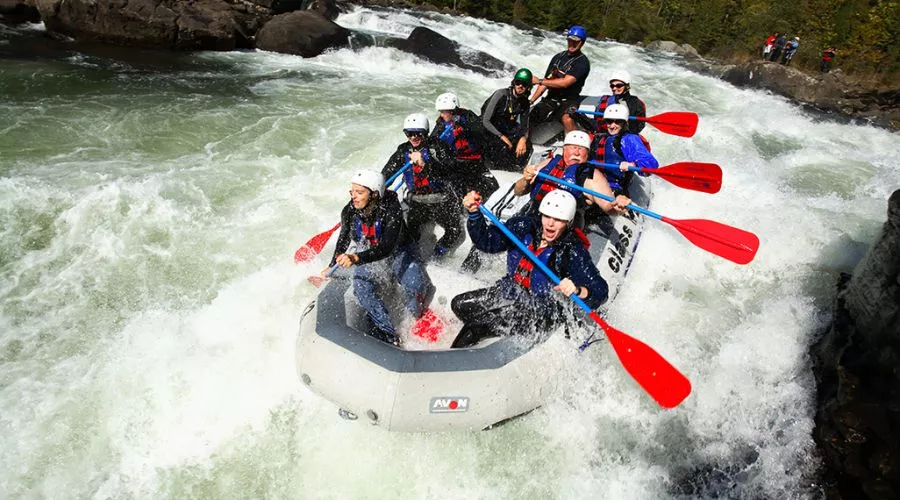
Extreme adventure travel is not about ticking destinations off a list. It is about stepping into environments that demand respect, discipline, and courage. These journeys strip travel down to its essentials—survival, resilience, and purpose—offering experiences that permanently change how travelers see themselves and the world.
Unlike conventional adventure travel, extreme experiences test physical endurance, mental strength, and emotional control. They are demanding, unpredictable, and deeply rewarding for those prepared to face them.
What Makes an Adventure Truly Extreme?
An adventure becomes “extreme” when comfort disappears and conditions challenge normal human limits.
Core Elements
- Remote or hostile environments
- High physical and mental demands
- Limited access to emergency support
- Unpredictable weather or terrain
- Technical skills or specialist training
Extreme adventure travel is intentional risk—managed through preparation, experience, and respect for nature.
Why People Pursue Extreme Adventure Travel
Thrill is only part of the story. Many extreme travelers are motivated by deeper reasons.
Key Motivations
- Personal transformation
- Testing endurance and resilience
- Escaping routine and digital noise
- Achieving something rare and meaningful
- Connecting with nature in its rawest form
For many, these journeys become defining life moments.
Categories of Extreme Adventure Experiences
1. High-Altitude and Vertical Challenges
Mountains represent one of the ultimate tests of human endurance.
What makes them extreme
- Reduced oxygen levels
- Rapid weather changes
- Long periods of physical exertion
- Mental strain from exposure and fatigue
These journeys demand patience, acclimatization, and discipline.
2. Polar and Cold-Weather Expeditions
Extreme cold changes how the human body functions.
Challenges include
- Sub-zero temperatures
- Ice navigation and crevasse risks
- Limited daylight or constant daylight
- Equipment dependency
These expeditions test survival skills more than speed or strength.
3. Desert and Heat-Based Endurance Journeys
Extreme heat is as dangerous as extreme cold.
Why deserts are unforgiving
- Dehydration risks
- Navigation challenges
- Physical exhaustion
- Temperature extremes between day and night
Mental resilience often matters more than physical strength here.
4. Ocean and Water-Based Extremes
The ocean is one of the most unpredictable environments on Earth.
Examples
- Open-ocean sailing expeditions
- Big-wave water sports
- Long-distance paddling
- Remote island crossings
Weather, currents, and isolation make these experiences uniquely intense.
5. Aerial and Gravity-Based Experiences
Some adventures push limits vertically rather than horizontally.
Key elements
- Absolute focus
- Precision and technical skill
- High risk from human error
- Short but intense exposure
These experiences demand mastery rather than endurance.
Mental Endurance: The Invisible Challenge
Extreme adventure travel reshapes the mind as much as the body.
Psychological Challenges
- Managing fear and uncertainty
- Decision-making under exhaustion
- Isolation and silence
- Sustained focus over long periods
Many travelers report increased confidence, clarity, and emotional resilience after completing extreme journeys.
Preparation Is the True Adventure
The journey begins long before departure.
Essential Preparation Areas
- Physical conditioning and stamina
- Technical skills and certifications
- Medical checks and contingency planning
- Gear testing and redundancy planning
Skipping preparation is the most common—and most dangerous—mistake.
The Role of Professional Guides and Teams
Extreme adventures are rarely solo efforts, even for experienced travelers.
Why Expert Support Matters
- Terrain and weather expertise
- Emergency response capability
- Logistical planning
- Objective decision-making under pressure
Great guides know when to push forward—and when to turn back.
Risk, Safety, and Responsibility
Extreme travel is not reckless thrill-seeking.
Responsible Risk Management
- Understanding personal limits
- Continuous condition assessment
- Clear communication within teams
- Emergency exit strategies
The goal is challenge with control, not danger for its own sake.
Environmental Responsibility in Extreme Travel
Extreme destinations are often fragile.
Responsible Practices
- Minimal environmental impact
- Respect for wildlife and ecosystems
- Supporting local conservation efforts
- Choosing ethical operators
Extreme travelers often become strong advocates for environmental protection.
Who Should Consider Extreme Adventure Travel?
Extreme adventures are best suited for travelers who:
- Are physically and mentally prepared
- Have prior adventure experience
- Accept uncertainty and discomfort
- Value growth over comfort
These journeys are not about luxury—they are about commitment.
Common Misconceptions About Extreme Adventures
- “It’s only about adrenaline.” – Many experiences are slow, quiet, and mentally demanding
- “Only elite athletes can do it” – Preparation matters more than raw talent
- “It’s unsafe” – Proper planning dramatically reduces risk
- “It’s fast-paced.” – Many extreme journeys require patience and discipline
Life After an Extreme Adventure
Travelers often return changed.
Lasting Impacts
- Increased confidence
- Improved stress management
- Stronger mental resilience
- Clearer life priorities
Extreme adventure travel often influences careers, lifestyle choices, and personal goals long after the journey ends.
Is Extreme Adventure Travel Worth It?
For the right traveler, the answer is yes—not because it’s easy, but because it’s meaningful.
The value lies in:
- Personal growth
- Rare experiences
- Deep connection with nature
- Achievement through effort
These are not trips you forget—they become part of who you are.
Final Thoughts
Extreme adventure travel experiences go far beyond excitement or danger. They are journeys of discipline, resilience, and self-discovery that push travelers to operate at their highest potential. In environments where comfort disappears, clarity emerges.
For those willing to prepare, respect the risks, and embrace uncertainty, extreme adventure travel offers something few other experiences can—proof of what the human mind and body are truly capable of.