
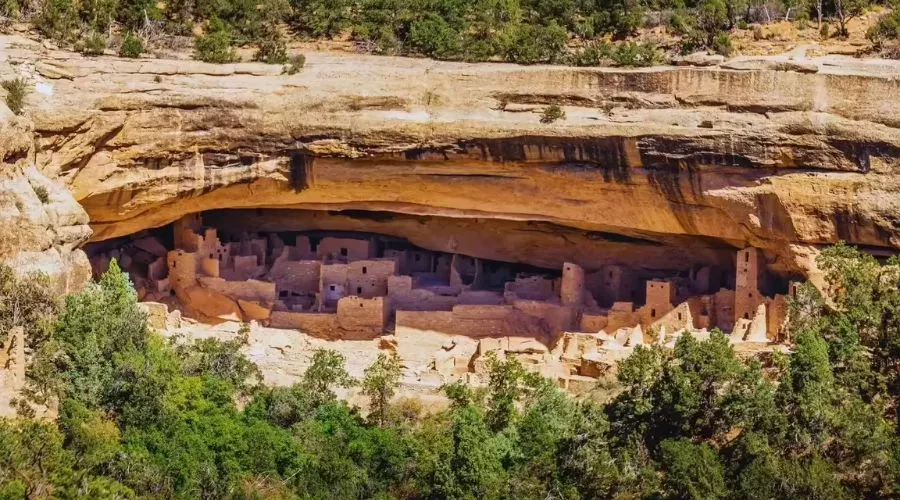
Traveling is not only about seeing new places—it’s about experiencing the stories, traditions, and cultures that have shaped them over centuries. Heritage routes and cultural trails offer travelers an immersive way to explore history, architecture, cuisine, and local customs while connecting deeply with the land and its people. These journeys go beyond typical sightseeing; they provide a narrative that links past to present, allowing travelers to walk in the footsteps of history.
From colonial towns and ancient settlements to artistic neighborhoods and historic battlefields, heritage routes reveal layers of culture and tradition. Whether exploring cobblestone streets, winding country paths, or scenic highways dotted with landmarks, these trails provide a unique perspective on the legacy of a region.
Why Heritage Routes and Cultural Trails Matter
Cultural trails and heritage routes are more than scenic routes—they preserve history and promote sustainable tourism. By traveling these paths, visitors gain insight into local traditions, architecture, and historical events while supporting communities that maintain these cultural treasures.
Benefits of Exploring Heritage Trails
- Historical Insight: Learn about significant events, people, and architecture.
- Cultural Immersion: Engage with local customs, festivals, and cuisine.
- Scenic Travel: Many trails traverse stunning landscapes, from mountains to coastlines.
- Sustainable Tourism: Support preservation efforts and local economies.
- Educational Experience: Gain context for historical and cultural developments.
For travelers interested in both exploration and learning, heritage routes offer a meaningful way to experience a destination.
Types of Heritage Routes and Cultural Trails
Heritage and cultural trails come in many forms, each offering distinct experiences.
1. Historic City Trails
These trails guide visitors through historic districts, colonial neighborhoods, or downtown cores with significant architecture.
Highlights:
- Walking tours through cobblestone streets
- Visits to historic buildings, churches, and museums
- Local guides sharing stories and legends
- Interactive workshops on crafts or traditional practices
Historic city trails are perfect for travelers who enjoy walking, architecture, and storytelling.
2. Rural and Countryside Heritage Routes
Rural trails connect villages, farms, and countryside towns, highlighting agricultural traditions, regional crafts, and folklore.
Highlights:
- Scenic drives or cycling routes through rural landscapes
- Visits to traditional workshops and local markets
- Opportunities to taste local food specialties
- Interaction with artisans, farmers, and storytellers
These routes offer a slower pace and intimate connection with local communities.
3. Cultural and Artistic Trails
Focused on art, music, and cultural expression, these trails lead visitors through areas with galleries, theaters, street art, and music venues.
Highlights:
- Studio tours and art workshops
- Live performances and cultural festivals
- Street art and mural exploration
- Historical context for artistic movements
Cultural trails allow travelers to engage with creativity that has shaped a region’s identity.
4. Heritage Highways and Scenic Drives
Longer heritage routes often span hundreds of miles, connecting historic towns, landmarks, and natural wonders along the way.
Highlights:
- Stops at historic battlefields, lighthouses, and monuments
- Opportunities for photography and scenic appreciation
- Historical signage and visitor centers
- Themed journeys, such as literary trails, pioneer routes, or industrial heritage tours
Heritage highways combine exploration with flexibility, suitable for road-trippers and adventure travelers.
5. Pilgrimage and Spiritual Routes
Pilgrimage trails have existed for centuries, connecting religious sites, temples, and sacred landscapes.
Highlights:
- Visits to historic temples, churches, or shrines
- Participation in traditional rituals or festivals
- Scenic walking paths through mountains, forests, or deserts
- Opportunities for reflection, meditation, and cultural learning
These trails offer spiritual enrichment alongside cultural discovery.
How to Experience Heritage Trails Fully
Heritage routes provide depth when approached with curiosity and engagement. Here’s how travelers can make the most of their journey:
1. Engage with Local Guides
Local guides bring history to life with stories, anecdotes, and cultural context that cannot be found in guidebooks.
2. Participate in Workshops
Craft workshops, cooking classes, and traditional art sessions provide hands-on experience of local culture.
3. Take Your Time
Rather than rushing, spend a few hours or even days exploring towns, tasting local food, and observing daily life.
4. Explore Off the Beaten Path
Many trails have hidden gems—small villages, historic homes, or lesser-known monuments that offer authentic experiences.
5. Document Your Journey
Photography, journaling, or sketching can help preserve memories and deepen appreciation of heritage.
Popular Activities on Heritage Routes
Travelers can engage in a variety of activities that make heritage trails memorable:
1. Architecture and Historic Sites
- Explore colonial homes, castles, or fortresses
- Visit historic theaters, lighthouses, or town halls
- Discover museums that showcase artifacts and documents
Architecture provides tangible insight into a region’s evolution and culture.
2. Culinary Heritage
- Taste regional dishes and traditional recipes
- Participate in cooking classes or food tours
- Visit vineyards, farms, or local markets
Food is an essential part of cultural heritage and a memorable way to connect with a community.
3. Festivals and Cultural Events
- Attend local fairs, harvest celebrations, or religious festivals
- Experience music, dance, and theatrical performances
- Learn traditional customs through interactive participation
Festivals provide context to heritage, allowing travelers to witness living culture.
4. Nature and Landscapes
- Trails often pass through mountains, rivers, forests, or coastal areas
- Hiking or cycling along routes adds an active dimension
- Observing seasonal changes and wildlife enhances the connection with nature
Many heritage routes combine history with stunning natural scenery.
5. Arts and Crafts
- Visit artisan workshops, pottery studios, or weaving centers
- Participate in painting, carving, or textile workshops
- Collect handmade souvenirs or artwork
Traditional crafts reflect local skills, creativity, and historical continuity.
Tips for Planning a Heritage Route Trip
Planning is key to maximizing the cultural and historical value of the journey.
1. Research the Route
Understand the themes, key sites, and historical significance of the trail.
2. Check Seasonal Timing
Festivals, weather, and accessibility vary by season, affecting the experience.
3. Use Local Resources
Tourist centers, local guides, and cultural institutions provide valuable insights.
4. Pace Yourself
Heritage routes are best explored at a moderate pace, allowing time for discovery and reflection.
5. Respect Local Customs
Mindful travel includes dressing appropriately, asking permission when photographing locals, and learning basic cultural etiquette.
Benefits of Exploring Heritage Routes
Traveling heritage routes is more than sightseeing; it cultivates personal enrichment and cultural appreciation.
1. Educational Value
- Learn about historical events, architecture, and local traditions
- Gain insight into the evolution of art, cuisine, and society
2. Connection with Local Communities
- Interaction with artisans, farmers, and cultural custodians
- Support local economies and preservation efforts
3. Mindful Travel Experience
- Slow travel encourages observation and reflection
- Walking and cycling foster connection with landscapes
4. Memorable Storytelling
- Each trail creates narratives that travelers can share with friends and family
- Personal experiences intertwine with historical knowledge
Heritage Routes for Different Travelers
Heritage and cultural trails can be tailored to suit a variety of interests:
- History Enthusiasts: Explore battlefields, historic homes, and museums.
- Cultural Explorers: Engage with local festivals, music, and crafts.
- Food Lovers: Discover traditional dishes, markets, and cooking workshops.
- Adventure Seekers: Combine hiking, cycling, and scenic drives with cultural exploration.
- Solo Travelers: Enjoy personal reflection and immersive experiences.
- Families: Share educational and interactive cultural activities.
These routes offer something for every traveler, from in-depth study to leisurely exploration.
Sustainability in Heritage Tourism
Responsible travel ensures heritage sites are preserved for future generations.
Sustainable Practices
- Support local businesses and artisans
- Respect protected sites and follow regulations
- Minimize environmental impact by using public transport or cycling
- Learn and share knowledge about preservation efforts
Sustainable heritage travel aligns with mindful exploration and cultural respect.
Conclusion
Heritage routes and cultural trails provide travelers with more than scenic journeys—they are portals into history, culture, and tradition. Walking, cycling, or driving along these routes allows travelers to experience the evolution of societies, explore artistic expression, taste regional cuisine, and engage with living traditions.
By visiting historic towns, rural villages, artistic hubs, and scenic landscapes, travelers gain a deep appreciation for the past while connecting with the present. These trails foster learning, reflection, and meaningful interaction with local communities.