
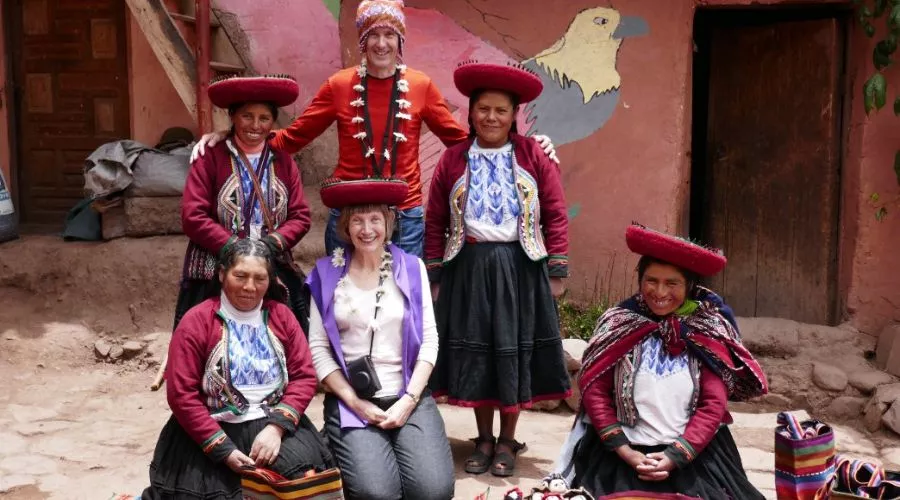
Traveling is more than visiting landmarks—it’s about connecting with the soul of a place, understanding its history, traditions, and people. Authentic cultural and heritage experiences allow travelers to go beyond surface-level tourism and engage with the living essence of a destination. From time-honored festivals and artisanal crafts to historic neighborhoods and culinary traditions, these experiences create lasting memories and foster deep appreciation for local heritage.
Whether wandering through centuries-old streets, participating in traditional ceremonies, or tasting dishes passed down through generations, cultural travel offers a profound understanding of what makes a place unique. It allows travelers to step into the rhythm of local life and appreciate the stories and practices that have shaped communities over time.
Why Authentic Cultural Experiences Matter
In a world increasingly dominated by globalized tourism, authentic cultural experiences provide a meaningful alternative. They offer a window into a destination’s identity, connecting travelers with its history, values, and creativity.
Key Benefits of Cultural and Heritage Travel
- Deep Understanding: Learn about historical events, customs, and societal development.
- Immersive Engagement: Participate in festivals, rituals, and hands-on crafts.
- Personal Growth: Gain empathy, awareness, and appreciation for diverse cultures.
- Memorable Stories: Collect experiences that go beyond photos to create lasting memories.
- Support for Local Communities: Encourage preservation of traditional practices and crafts.
For travelers seeking enriching and transformative journeys, cultural and heritage experiences provide a connection to both past and present.
Types of Cultural and Heritage Experiences
Travelers can explore culture in many ways, from historical tours to immersive workshops. Understanding the types of experiences helps plan a journey aligned with personal interests.
1. Historic Neighborhoods and Architecture
Historic districts, colonial towns, and preserved neighborhoods reveal the architectural, political, and social evolution of a destination.
Highlights:
- Guided walking tours of cobblestone streets and historic homes
- Visits to museums, monuments, and landmarks
- Insight into architectural styles, urban planning, and historical narratives
- Interaction with local historians or guides
Historic neighborhoods allow travelers to experience history firsthand, walking through spaces that have shaped generations.
2. Traditional Festivals and Celebrations
Festivals reflect the beliefs, customs, and collective spirit of communities. Participating in local celebrations provides a lively and colorful glimpse into culture.
Highlights:
- Seasonal or religious festivals with music, dance, and rituals
- Culinary festivals featuring regional specialties
- Traditional attire, performances, and ceremonies
- Opportunities to engage with locals and understand cultural significance
Festivals provide sensory-rich experiences that bring history and tradition to life.
3. Artisanal Crafts and Workshops
Handcrafted goods are tangible expressions of cultural heritage. Many regions preserve centuries-old skills in pottery, weaving, carving, and painting.
Highlights:
- Visits to artisan studios and workshops
- Hands-on opportunities to learn traditional crafts
- Understanding the symbolism and techniques behind each creation
- Support for local craftspeople and small businesses
These experiences connect travelers to cultural identity and preserve artistic traditions.
4. Culinary Heritage
Food is a gateway to understanding culture, reflecting history, geography, and community values. Culinary experiences provide intimate, memorable engagement.
Highlights:
- Cooking classes using traditional techniques and ingredients
- Guided tastings of regional specialties and street food
- Market tours to source local produce and ingredients
- Stories behind dishes, rituals, and mealtime customs
Culinary experiences turn taste into cultural insight, making meals both educational and memorable.
5. Music, Dance, and Performing Arts
Performance arts embody the rhythm, history, and emotion of a culture. Engaging with these experiences fosters appreciation for artistic expression.
Highlights:
- Traditional music concerts or live performances
- Dance demonstrations and participatory workshops
- Theatre and storytelling sessions rooted in local lore
- Historical context explaining artistic evolution
These experiences allow travelers to witness the vibrancy of a community’s creative spirit.
6. Rural and Community Immersion
Rural villages and local communities provide opportunities to observe daily life, work, and rituals that have persisted for generations.
Highlights:
- Farm visits, agricultural tours, or food production experiences
- Learning about traditional techniques and daily practices
- Sharing meals and conversations with local families
- Exploring natural landscapes and cultural landmarks
Community immersion offers a window into authentic life beyond the tourist trail.
Planning an Authentic Cultural Travel Experience
To gain the full benefit of cultural and heritage travel, planning and intentionality are essential.
1. Research Before Arrival
- Learn about local customs, history, and significant sites
- Understand cultural norms and etiquette
2. Engage with Local Guides
- Local guides provide insider knowledge and stories not found in guidebooks
- They facilitate respectful engagement and contextual understanding
3. Participate Actively
- Attend workshops, ceremonies, or classes
- Ask questions and seek opportunities to engage meaningfully
4. Respect Local Culture
- Dress appropriately and follow etiquette rules
- Be mindful when photographing people or sacred sites
- Support ethical and sustainable tourism practices
5. Balance Exploration and Reflection
- Take time to process and reflect on experiences
- Avoid rushing; savor the depth of cultural encounters
Intentional engagement ensures a deeper connection and more meaningful travel experience.
Benefits of Immersive Cultural Travel
Authentic experiences impact travelers far beyond the duration of a trip.
1. Personal Growth
- Exposure to different ways of life cultivates empathy and understanding
- Encourages self-reflection and perspective
2. Cultural Appreciation
- Deepens knowledge of history, art, and traditions
- Enhances respect for diversity and heritage preservation
3. Lasting Memories
- Hands-on participation and sensory engagement create stories that last a lifetime
- Unique experiences are more memorable than standard tourist activities
4. Support for Local Communities
- Promotes sustainable tourism
- Encourages preservation of traditions, crafts, and cultural heritage
Cultural travel enriches both the traveler and the communities visited.
Examples of Authentic Experiences to Seek
While each region offers unique offerings, the following types of experiences are universally enriching:
- Historic Trails and Walking Tours: Explore significant neighborhoods, heritage landmarks, and historical pathways.
- Craft and Artisan Workshops: Learn pottery, weaving, painting, or culinary arts from local masters.
- Local Festivals and Celebrations: Participate in seasonal or cultural festivals with music, dance, and traditional rituals.
- Culinary Journeys: Engage in hands-on cooking classes, market visits, and tasting tours.
- Community Immersion: Stay in local villages, share meals, and observe daily routines.
- Performing Arts Experiences: Attend traditional music, dance, or storytelling sessions.
Combining these activities ensures a holistic understanding of a destination’s cultural richness.
Tips for Enhancing Cultural Travel Experiences
- Learn a Few Local Words or Phrases: Even basic greetings enhance engagement.
- Stay with Locals When Possible: Homestays or small guesthouses provide authentic immersion.
- Participate Rather Than Observe: Active participation deepens connection and understanding.
- Document Thoughtfully: Journals, sketches, or photos help preserve memories without disrupting the experience.
- Open Mind and Respect: Approach new customs with curiosity, patience, and humility.
These practices make travel more meaningful, respectful, and memorable.
Sustainable and Ethical Cultural Tourism
Authentic cultural experiences should benefit both the traveler and the host community. Responsible tourism ensures preservation of heritage and respect for traditions.
Sustainable Practices
- Choose locally owned accommodations and businesses
- Support artisans and craft workshops fairly
- Respect historical sites and natural surroundings
- Follow community guidelines for participation in rituals and ceremonies
Ethical travel protects cultural heritage for future generations while creating enriching experiences today.
Why Cultural and Heritage Experiences Are Unforgettable
What makes these experiences stand out is their depth. Travelers do not simply see landmarks—they engage with the people, practices, and stories that give a destination its soul. The sensory richness of tasting local dishes, hearing traditional music, creating art alongside artisans, or celebrating festivals immerses visitors in a way that leaves a lasting impression.
Unlike typical tourist experiences, authentic cultural travel creates connection, understanding, and transformation. Travelers return home not only with souvenirs but with knowledge, empathy, and memories that shape their worldview.
Conclusion
Authentic cultural and heritage experiences offer a profound way to explore the world. They transform travel from observation into engagement, allowing visitors to step into the life, history, and creativity of a place. By participating in festivals, learning traditional crafts, tasting regional cuisine, and exploring historic neighborhoods, travelers gain a deep understanding of local culture and heritage.
These journeys foster connection, reflection, and personal growth while supporting the communities that preserve these traditions. They are immersive, educational, and transformative, offering more than sightseeing—they provide stories, insights, and memories that last a lifetime.