
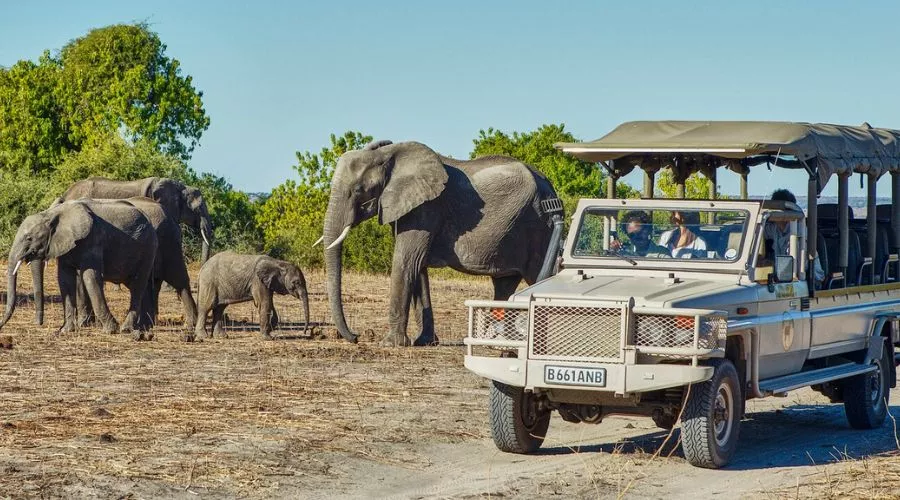
In an era where travel increasingly intersects with environmental responsibility, ethical wildlife and nature experiences have become essential for conscientious explorers. These journeys provide the opportunity to witness the wonders of the natural world while ensuring that animals, ecosystems, and local communities are respected and protected. Ethical wildlife travel goes beyond mere observation—it is a commitment to conservation, sustainability, and responsible interaction with the environment.
Whether trekking through dense rainforests, spotting elusive wildlife on safaris, or visiting protected marine areas, responsible nature travel allows adventurers to connect deeply with the wild without causing harm. By choosing ethically managed tours and sustainable practices, travelers play a vital role in protecting biodiversity and fostering appreciation for our planet’s fragile ecosystems.
Why Ethical Wildlife and Nature Travel Matters
Traditional tourism can unintentionally harm animals, degrade habitats, and disrupt ecosystems. Ethical wildlife travel addresses these concerns by prioritizing the well-being of species and natural areas while promoting environmental education.
Benefits of Ethical Nature Travel
- Conservation Support: Contributions to protected areas, wildlife reserves, and conservation projects.
- Animal Welfare: Avoids exploitation such as animal rides, photo ops with captive animals, or invasive interaction.
- Environmental Preservation: Promotes responsible travel practices, reducing ecological footprint.
- Educational Opportunities: Learn about species behavior, ecosystems, and conservation challenges.
- Authentic Experiences: Observe wildlife in natural habitats, creating lasting memories.
Traveling ethically ensures that adventures benefit both the traveler and the environment, fostering meaningful and sustainable connections.
Principles of Ethical Wildlife and Nature Travel
Ethical travel involves a conscious approach that respects wildlife, habitats, and local communities.
1. Observe Without Disturbing
- Maintain safe distances from animals
- Avoid touching, feeding, or harassing wildlife
- Use binoculars or telephoto lenses for observation
Respecting animals’ natural behavior is central to responsible travel.
2. Choose Certified and Reputable Operators
- Select tour operators aligned with conservation and animal welfare standards
- Look for certifications from wildlife or ecotourism organizations
- Avoid activities that exploit animals for entertainment
Working with responsible providers ensures ethical standards are upheld.
3. Minimize Environmental Impact
- Stick to marked trails to prevent habitat damage
- Reduce single-use plastics and waste
- Use eco-friendly transportation and accommodations
Sustainable practices protect natural areas for future generations.
4. Support Local Communities
- Hire local guides and services
- Purchase crafts, food, or accommodations from local businesses
- Respect cultural practices and traditions
Community engagement strengthens conservation efforts and promotes responsible tourism.
5. Educate Yourself and Others
- Learn about the species, ecosystems, and environmental challenges before visiting
- Share knowledge to raise awareness among fellow travelers
Informed travelers make choices that benefit wildlife and ecosystems.
Popular Ethical Wildlife and Nature Experiences
Ethical travel offers a wide range of immersive experiences for adventurers, nature lovers, and conservation-minded tourists.
1. Wildlife Safaris and Nature Reserves
Safaris in national parks and wildlife reserves provide opportunities to observe animals in their natural habitats.
Highlights:
- Guided game drives with conservation-trained guides
- Observing predators, herbivores, and birds without interference
- Learning about wildlife behavior and ecosystem dynamics
- Visiting rehabilitation centers and conservation projects
Safaris offer thrilling encounters while promoting wildlife protection and habitat preservation.
2. Marine and Oceanic Experiences
Marine-focused travel allows exploration of aquatic ecosystems while ensuring minimal disturbance to marine life.
Highlights:
- Whale, dolphin, and seal watching from safe distances
- Snorkeling or diving in protected coral reefs
- Participation in marine conservation programs
- Responsible boating practices to avoid disrupting ecosystems
Marine adventures provide insight into ocean biodiversity and the importance of marine conservation.
3. Birdwatching and Nature Trails
Birdwatching tours and nature hikes offer a quieter, observational approach to ethical wildlife travel.
Highlights:
- Spotting rare and migratory species in natural habitats
- Guided walks with expert ornithologists or naturalists
- Learning about habitat preservation and ecosystem health
- Photography with minimal disturbance to wildlife
These experiences foster patience, mindfulness, and deep ecological appreciation.
4. Volunteer and Conservation Experiences
Travelers can combine adventure with direct conservation efforts, contributing to environmental protection.
Highlights:
- Participating in wildlife monitoring or rehabilitation programs
- Habitat restoration and tree planting
- Assisting in research and data collection
- Community-based conservation initiatives
Volunteer travel enhances personal engagement while benefiting wildlife and ecosystems.
5. Eco-Lodges and Nature Retreats
Eco-lodges and sustainable accommodations provide immersive experiences in natural surroundings.
Highlights:
- Lodges built with sustainable materials and renewable energy
- Guided nature walks, wildlife observation, and educational programs
- Minimal-impact living with composting, recycling, and water conservation
- Integration of cultural experiences with nature exploration
Staying in eco-lodges supports responsible tourism and deepens connection with local ecosystems.
Tips for Responsible Wildlife Travel
To ensure a positive impact and safe experience, travelers should adopt responsible practices.
1. Research Destinations and Operators
- Verify ethical certifications and reviews
- Choose operators prioritizing conservation and animal welfare
2. Respect Wildlife Boundaries
- Maintain distance and avoid intrusive behavior
- Follow guidance from experienced local guides
3. Practice Sustainable Travel Habits
- Reduce waste and single-use plastics
- Conserve water and energy during accommodations
- Use environmentally friendly transport options
4. Engage and Learn
- Attend educational talks, workshops, or guided tours
- Understand the ecological and cultural context of the destination
5. Share Responsible Practices
- Advocate ethical travel through social media and word-of-mouth
- Encourage others to support conservation initiatives
By following these tips, travelers can ensure their adventures benefit the environment and local communities.
Benefits of Ethical Wildlife and Nature Travel
Ethical wildlife and nature experiences provide profound benefits for travelers and the natural world.
1. Conservation Impact
- Contributions to parks, reserves, and local conservation projects
- Encouragement of sustainable practices among tour operators
2. Personal Enrichment
- Deepened understanding of species, habitats, and ecological processes
- Mindfulness and appreciation for the natural world
3. Unique and Memorable Experiences
- Observing animals in their natural behavior
- Engaging with local guides and conservationists
- Immersive learning that goes beyond traditional tourism
4. Positive Community Impact
- Support for local livelihoods and community-led conservation
- Preservation of cultural and natural heritage for future generations
Ethical travel ensures that adventures are rewarding for both travelers and the environment.
Sustainable Practices for Wildlife Travelers
1. Choose Eco-Friendly Accommodations
Stay in lodges or hotels using renewable energy, recycling, and water-saving practices.
2. Reduce Carbon Footprint
Travel by train, bus, or shared transport when possible. Offset flights to reduce environmental impact.
3. Avoid Harmful Activities
- Do not engage in elephant rides, tiger selfies, or dolphin shows
- Avoid souvenirs made from endangered species or wildlife products
4. Participate in Citizen Science
- Contribute to wildlife monitoring and data collection programs
- Join community-led conservation projects
5. Educate Yourself on Local Ecosystems
Understanding the ecological context promotes responsible observation and engagement.
Ethical Wildlife Experiences Around the World
Some examples of ethical wildlife experiences include:
- Safari Tours in Protected National Parks: Observing predators, elephants, and herbivores in their natural habitats.
- Marine Conservation Excursions: Whale watching from regulated boats and coral reef snorkeling with strict guidelines.
- Birding in Wetlands and Forests: Observing rare species while following ecological guidance.
- Volunteering at Wildlife Rehabilitation Centers: Assisting in the care of rescued animals.
- Eco-Lodge Stays in Remote Wilderness: Combining luxury or comfort with sustainability and education.
These experiences combine adventure with responsibility, offering unforgettable encounters with nature.
Conclusion
Ethical wildlife and nature travel is a meaningful approach for modern adventurers. It allows travelers to experience the beauty and diversity of the natural world while respecting the animals, habitats, and communities they visit. By prioritizing conservation, education, and responsible behavior, travelers contribute to the preservation of fragile ecosystems and the well-being of wildlife.
From safaris and marine tours to volunteer programs and eco-lodges, there are countless ways to explore nature responsibly. Ethical travel enriches the mind and soul, offering memorable encounters that go beyond photos and souvenirs. It fosters mindfulness, appreciation, and a deep sense of connection to the planet.