
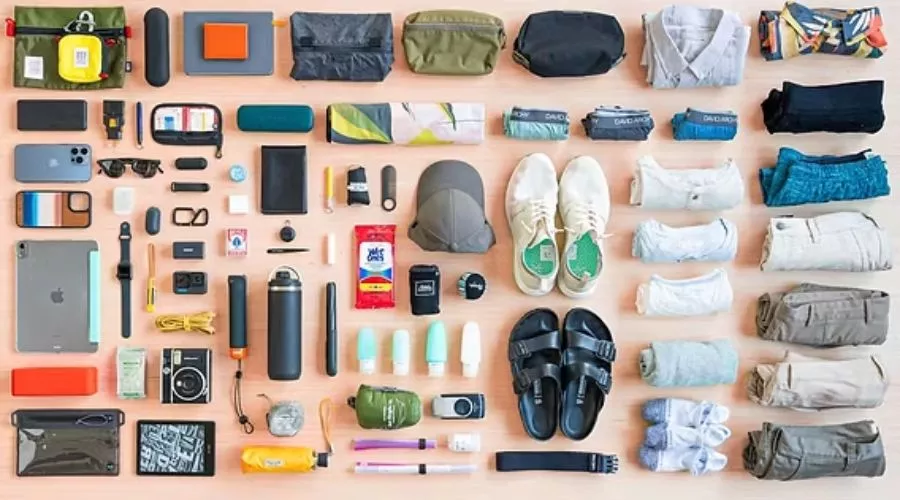
Packing is one of the most important steps in trip preparation, yet it’s often rushed or overlooked. Overpacking leads to heavy bags, extra fees, and unnecessary stress, while underpacking can leave travelers unprepared. Smart packing strategies help tourists stay organized, mobile, and ready for any situation without carrying excess weight.
This guide explores practical packing tips and techniques that make travel easier, more efficient, and more enjoyable—whether it’s a short city escape or a long international journey.
Start With a Clear Packing Plan
Smart packing begins long before the suitcase is opened. Planning helps eliminate unnecessary items and ensures essentials aren’t forgotten.
How to Create a Packing Plan
- Research weather and climate at your destination
- Consider the length and purpose of the trip
- List planned activities and dress codes
- Check baggage limits for your transportation
- Decide between carry-on only or checked luggage
A thoughtful plan reduces last-minute packing decisions and avoids overpacking.
Choose the Right Luggage
The type of luggage you choose directly affects how comfortably you travel.
Smart Luggage Selection Tips
- Use a lightweight suitcase or backpack
- Choose durable materials with smooth wheels
- Opt for expandable compartments if needed
- Ensure size meets carry-on or checked requirements
- Look for internal organizers and compression straps
For short trips, a carry-on-sized bag often provides enough space and saves time at airports.
Master the Art of Packing Light
Packing light is one of the most effective ways to improve your travel experience.
Benefits of Packing Light
- Easier mobility and transfers
- No baggage claim delays
- Reduced baggage fees
- Less physical strain
- Faster packing and unpacking
The key is selecting versatile items that serve multiple purposes.
Build a Capsule Wardrobe
A capsule wardrobe focuses on mixing and matching a limited number of clothing items.
How to Create a Travel Capsule Wardrobe
- Choose neutral colors that pair easily
- Pack layers instead of bulky items
- Select wrinkle-resistant fabrics
- Include items suitable for multiple occasions
- Limit shoes to two or three pairs
For most trips, packing outfits for 5–7 days is enough, even for longer stays.
Roll, Don’t Fold
One of the most effective packing techniques is rolling clothes instead of folding them.
Why Rolling Works
- Saves space in luggage
- Reduces wrinkles
- Makes items easier to locate
- Allows better use of corners
For even better organization, combine rolling with packing cubes.
Use Packing Cubes and Organizers
Packing cubes keep luggage neat and maximize space.
Benefits of Packing Cubes
- Separate clothing by category
- Compress items efficiently
- Simplify unpacking
- Improve visibility inside bags
Travel organizers for shoes, laundry, and electronics also help maintain order.
Be Strategic With Footwear
Shoes are bulky and heavy, so smart selection is essential.
Shoe Packing Tips
- Limit to essential pairs only
- Choose comfortable, multi-purpose shoes
- Wear the bulkiest pair during transit
- Stuff shoes with socks or small items
In most cases, one casual pair, one walking shoe, and one dressier option are sufficient.
Pack Toiletries the Smart Way
Toiletries can take up unnecessary space if not handled properly.
Smart Toiletry Strategies
- Use travel-sized containers
- Transfer products into refillable bottles
- Pack solid alternatives like soap bars
- Store liquids in leak-proof bags
- Check restrictions for carry-on liquids
Many accommodations provide basic toiletries, reducing what you need to bring.
Don’t Overpack Electronics
Electronics are useful but can quickly add weight.
Essential Electronics to Pack
- Smartphone
- Universal travel adapter
- Power bank
- Charging cables
- Lightweight headphones
Avoid packing multiple devices unless absolutely necessary.
Organize Important Documents Carefully
Keeping documents secure and accessible is crucial.
Must-Have Travel Documents
- Passport or identification
- Tickets and confirmations
- Insurance details
- Emergency contacts
- Digital copies stored securely
Use a travel wallet or document organizer for easy access.
Prepare a Compact Day Bag
A lightweight day bag is useful for sightseeing and daily outings.
What to Carry in a Day Bag
- Reusable water bottle
- Wallet and identification
- Phone and charger
- Sunscreen
- Small first-aid kit
Choose a bag that is secure, comfortable, and weather-resistant.
Pack Smart for Different Climates
Weather variations require thoughtful packing.
Cold Climate Packing Tips
- Use thermal layers
- Pack compressible jackets
- Choose moisture-wicking fabrics
- Wear heavier layers during transit
Warm Climate Packing Tips
- Lightweight, breathable clothing
- Sun protection accessories
- Comfortable sandals or walking shoes
- Quick-dry fabrics
Layering is the most effective strategy for adapting to temperature changes.
Leave Room for Souvenirs
Overstuffed luggage leaves no space for souvenirs or gifts.
How to Save Space
- Pack a foldable tote or duffel
- Leave some compartments empty
- Avoid packing “just in case” items
Planning for return purchases prevents last-minute packing stress.
Use a Packing Checklist
A packing checklist helps ensure nothing essential is forgotten.
Items to Include on a Checklist
- Clothing and footwear
- Toiletries
- Documents
- Electronics
- Medications
- Travel accessories
Reusable checklists improve packing efficiency for future trips.
Follow the One-Week Rule
For most trips, packing for one week is enough, regardless of trip length.
Why the One-Week Rule Works
- Laundry services are widely available
- Clothes can be re-worn or mixed
- Reduces luggage size significantly
This rule is especially useful for long-term travelers.
Pack a Small Laundry Kit
Doing laundry during travel reduces the need for extra clothing.
Simple Laundry Essentials
- Travel-sized detergent
- Sink stopper
- Lightweight clothesline
- Laundry bag
This is especially helpful for extended trips or minimalist packing.
Avoid Common Packing Mistakes
Even seasoned travelers make packing errors.
Mistakes to Avoid
- Packing items “just in case”
- Bringing too many shoes
- Ignoring baggage restrictions
- Forgetting climate research
- Not testing luggage beforehand
Being mindful of these mistakes improves packing efficiency.
Practice Packing Before the Trip
Doing a trial pack helps identify issues early.
Trial Packing Benefits
- Reveals unnecessary items
- Confirms everything fits properly
- Helps adjust luggage choice
- Reduces last-minute stress
Repacking once or twice often leads to a lighter, smarter load.
Final Thoughts: Pack Smarter, Travel Better
Smart packing is not about bringing less—it’s about bringing what truly matters. By planning ahead, choosing versatile items, and organizing efficiently, tourists can travel comfortably without the burden of heavy luggage.
Thoughtful packing leads to smoother transit, lower costs, and more freedom to enjoy the journey. With the right strategies, packing becomes a tool for better travel rather than a source of stress.
Whether embarking on a short vacation or a long adventure, smart packing strategies empower tourists to focus on experiences, not excess baggage.