
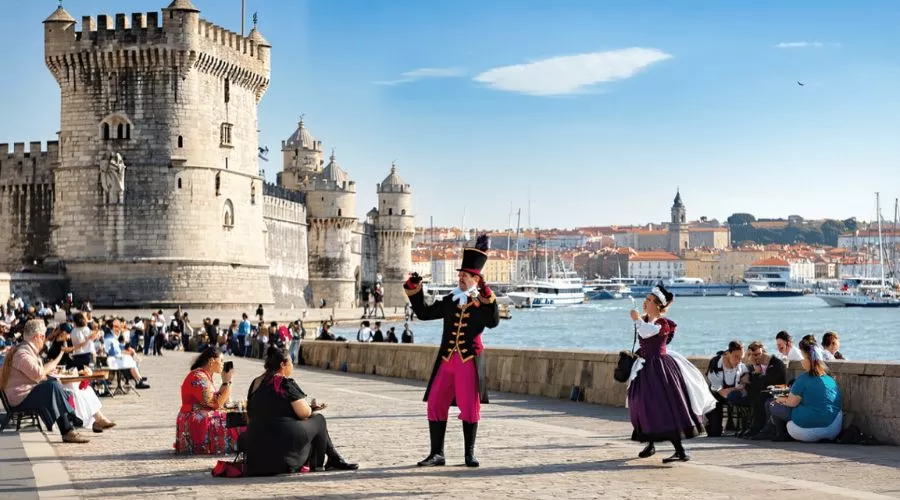
For travelers seeking meaningful experiences beyond the typical sightseeing itinerary, cultural immersion tour experiences offer a way to connect with local communities, traditions, and lifestyles. These tours allow participants to engage authentically with people, food, art, and heritage, providing a rich understanding of a destination’s identity. Whether exploring rural villages, participating in traditional ceremonies, or sampling regional cuisine, cultural immersion tours offer transformative travel experiences that go far beyond photographs and souvenirs.
This guide explores the appeal of cultural immersion tours, highlights top destinations, provides planning tips, and offers practical advice for maximizing the experience.
Why Choose Cultural Immersion Tours?
- Authentic Engagement
Cultural immersion tours go beyond surface-level tourism, providing access to experiences that allow travelers to participate, observe, and learn from local communities.
- Educational Insight
Guided tours often include explanations of local customs, history, and social norms, enriching the traveler’s understanding of the destination.
- Hands-On Participation
Activities may include cooking classes, artisan workshops, traditional performances, or farming experiences, allowing travelers to learn by doing.
- Social Connection
Traveling in small groups fosters interaction with fellow participants and local residents, creating opportunities for meaningful exchange.
- Support for Local Communities
Participating in cultural immersion tours often contributes directly to local economies, supporting artisans, guides, and community projects.
Types of Cultural Immersion Tour Experiences
1. Culinary and Gastronomy Tours
- Activities: Cooking classes, market visits, wine or tea tastings, traditional food workshops
- Examples: Learning to make regional dishes, exploring local street food markets, or participating in wine harvests and tastings
- Why it’s immersive: Food is a gateway to culture, reflecting history, geography, and traditions unique to each region
2. Artisan and Craft Workshops
- Activities: Pottery, weaving, woodworking, painting, and traditional craft sessions
- Examples: Learning hand-weaving techniques from local artisans, creating ceramics under expert guidance, or participating in jewelry-making workshops
- Why it’s immersive: Travelers gain hands-on experience while supporting local craftspeople and preserving cultural heritage
3. Music, Dance, and Performance Tours
- Activities: Dance lessons, music workshops, traditional theater experiences, and festival participation
- Examples: Participating in traditional folk dances, drumming sessions, or local choir rehearsals
- Why it’s immersive: Engaging with performing arts fosters understanding of cultural expressions and community identity
4. Community-Based Tourism
- Activities: Village visits, farm stays, school interactions, volunteering with local projects
- Examples: Staying with host families, assisting in agricultural activities, or participating in local festivals
- Why it’s immersive: Provides authentic insight into daily life, social structures, and cultural practices of local communities
5. Historical and Spiritual Experiences
- Activities: Guided tours of sacred sites, temples, churches, mosques, or historic landmarks with local guides
- Examples: Participating in meditation sessions, observing traditional ceremonies, or attending cultural storytelling events
- Why it’s immersive: Deepens appreciation of history, belief systems, and rituals that shape community life
Top Destinations for Cultural Immersion Tours
While cultural immersion tours are possible worldwide, certain destinations offer particularly rich experiences:
1. Native American Cultural Experiences
- Guided visits to reservations and cultural centers
- Participation in storytelling, traditional crafts, and local ceremonies
- Insight into indigenous history, spirituality, and daily life
2. Southern Culinary and Music Tours
- Explore regional cuisine, jazz, blues, and folk traditions
- Cooking workshops in small towns and hands-on food preparation
- Music lessons or festival participation in culturally significant communities
3. Southwestern Art and Architecture Tours
- Visits to adobe villages, artisan workshops, and historic towns
- Engagement with local artists, architects, and craftsmen
- Guided exploration of cultural landmarks, galleries, and heritage sites
4. Coastal Fishing and Maritime Communities
- Hands-on fishing excursions, seafood preparation, and local market visits
- Learning maritime traditions, folklore, and community practices
- Participating in boat-building or sailing workshops with locals
5. Urban Neighborhood Cultural Experiences
- Guided walking tours highlighting historic districts, street art, and local food scenes
- Workshops with local artists, chefs, or musicians
- Immersion in community-led cultural projects and performances
Planning a Cultural Immersion Tour
1. Identify Interests
- Determine whether the focus is food, art, music, history, or a combination
- Research destinations that offer authentic experiences aligned with your interests
2. Consider Duration and Intensity
- Day tours: Suitable for short stays or urban neighborhoods
- Multi-day tours: Provide deeper immersion in rural or regional communities
3. Group Size and Style
- Small-group tours encourage personal interaction and flexible experiences
- Large tours may cover more sites but provide less intimate engagement
4. Accommodations
- Options may include homestays, boutique lodges, or community-run guesthouses
- Staying locally enhances immersion and supports regional economies
5. Cultural Etiquette and Preparation
- Learn basic local customs, greetings, and cultural norms
- Dress appropriately for community standards or religious sites
- Respect local practices and seek guidance from your tour leader
Safety and Practical Considerations
- Health and Hygiene: Prepare for rural or outdoor experiences with vaccinations, water safety, and food precautions
- Transportation: Confirm safe and reliable travel between sites
- Language: Learn basic phrases to facilitate interaction or consider tours with bilingual guides
- Respect for Local Communities: Follow rules, ask permission before photographing, and avoid disrupting daily life
Benefits of Cultural Immersion Tours
- Deep Learning: Gain firsthand understanding of traditions, history, and lifestyles
- Authentic Experiences: Engage in activities unavailable to casual tourists
- Social Connections: Build relationships with local guides, hosts, and fellow travelers
- Support for Local Communities: Contribute economically and culturally to the places visited
- Memorable Experiences: Leave with stories, skills, and connections that endure long after the trip
Tips for Maximizing Your Cultural Immersion Experience
- Be Open-Minded: Approach new customs, foods, and traditions with curiosity
- Participate Fully: Engage actively in workshops, cooking, or community activities
- Ask Questions: Show interest in local history, crafts, or cultural practices
- Document Responsibly: Take photos and notes, respecting cultural sensitivities
- Give Back: Support local artisans, cooperatives, and community initiatives
Examples of Memorable Cultural Immersion Experiences
- Southwestern Artisan Workshops: Learn weaving and pottery techniques with local masters
- New Orleans Culinary Tours: Hands-on Creole and Cajun cooking experiences with local chefs
- Native American Cultural Programs: Participate in storytelling, drumming, and craft sessions
- Coastal Fishing Villages: Engage in traditional fishing, seafood preparation, and community celebrations
- Historic City Walking Tours: Explore neighborhoods with local historians and experience cultural performances
Sustainable and Responsible Cultural Tourism
- Respect Cultural Practices: Follow local etiquette and seek guidance from community members
- Support Local Economies: Purchase handcrafted goods, hire local guides, and eat at family-run establishments
- Minimize Environmental Impact: Use sustainable transport and eco-friendly accommodations
- Promote Awareness: Share cultural knowledge respectfully without exploiting communities
Why Cultural Immersion Tours Are Unforgettable
Cultural immersion tours offer experiences that go beyond sightseeing. Travelers gain authentic knowledge, develop empathy, and connect deeply with local communities. The hands-on participation, expert guidance, and small-group settings create personal, memorable interactions that standard tourism rarely provides.
By combining adventure, learning, and social engagement, these tours provide insight into traditions, culinary arts, historical events, and daily life, leaving participants with a richer understanding of the places they visit.
Final Thoughts
Cultural immersion tours provide a meaningful way to travel, offering authentic engagement with local communities and traditions. Through curated itineraries, small-group interactions, and hands-on experiences, travelers can explore cuisine, art, music, history, and lifestyle in an immersive and responsible manner.
Whether visiting artisan workshops, participating in culinary classes, exploring historic neighborhoods, or engaging in community projects, cultural immersion tours transform travel into a journey of learning, connection, and personal growth. These experiences are ideal for travelers seeking meaningful adventures, cultural enrichment, and lasting memories that go far beyond conventional tourism.