
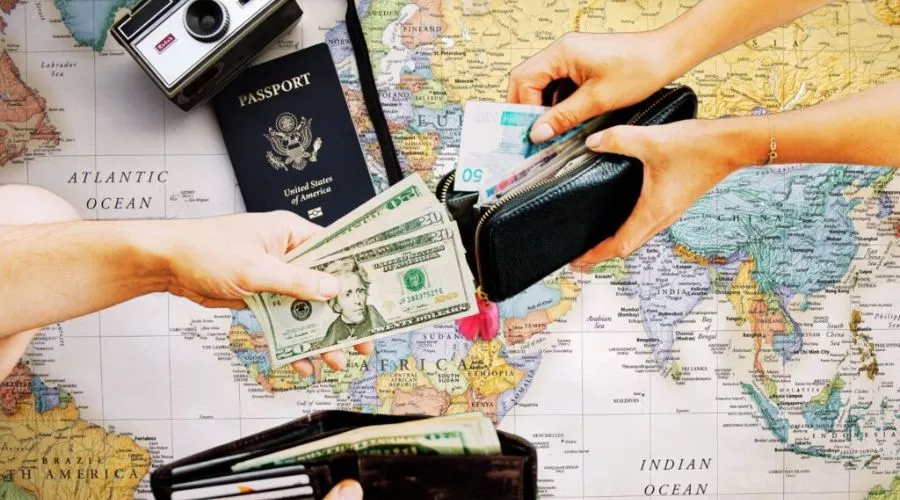
Managing money across borders is one of the most important yet overlooked aspects of international travel. From understanding exchange rates to choosing the right payment methods abroad, smart currency conversion decisions can help travelers save money, avoid unnecessary fees, and travel with confidence.
This comprehensive currency conversion guide is designed to help travelers navigate foreign currencies smoothly—whether planning a short getaway, a long-term trip, or a multi-country adventure.
Understanding Currency Conversion Basics
Currency conversion refers to the process of exchanging one currency for another based on the current exchange rate. Exchange rates fluctuate constantly due to factors such as economic performance, inflation, interest rates, and global events.
When traveling internationally, currency conversion happens in several ways:
- Exchanging physical cash
- Paying by card in a foreign currency
- Withdrawing money from international ATMs
- Using digital wallets or travel cards
Understanding how each option works can significantly impact travel expenses.
How Exchange Rates Work
An exchange rate shows how much one currency is worth compared to another. For example, if the exchange rate is 1:0.85, it means one unit of your home currency equals 0.85 units of the foreign currency.
Types of Exchange Rates Travelers Encounter
- Mid-market rate: The real rate used between banks
- Retail exchange rate: Offered by banks, money changers, or card providers
- Dynamic currency conversion rate: Often less favorable and applied at payment terminals abroad
Travelers rarely receive the mid-market rate directly, but understanding it helps identify hidden markups.
Common Currency Conversion Mistakes Travelers Make
Even experienced travelers can lose money due to avoidable mistakes:
- Exchanging currency at airports
Airport kiosks usually offer poor exchange rates with high fees.
- Accepting dynamic currency conversion
Paying in your home currency instead of the local one often results in unfavorable rates.
- Not checking foreign transaction fees
Some cards charge extra fees for international purchases.
- Carrying too much cash
This increases the risk of loss or theft.
- Ignoring local payment habits
Some destinations rely heavily on cash, while others are mostly cashless.
Best Ways to Exchange Currency While Traveling
1. Using International Debit and Credit Cards
Cards are one of the safest and most convenient options for spending abroad.
Advantages
- Competitive exchange rates
- Reduced need for carrying cash
- Fraud protection
Things to Check Before Traveling
- Foreign transaction fees
- ATM withdrawal fees
- Daily spending or withdrawal limits
Always notify your bank before traveling to avoid transaction blocks.
2. Withdrawing Cash from ATMs Abroad
ATMs usually offer better exchange rates than currency exchange counters.
Tips for ATM Withdrawals
- Use bank-affiliated ATMs
- Decline conversion offers on ATM screens
- Withdraw larger amounts to reduce per-transaction fees
Keep in mind that both local ATM fees and bank charges may apply.
3. Exchanging Cash at Banks or Licensed Money Changers
Local banks and authorized money exchange offices often provide better rates than hotels or tourist areas.
Best Practices
- Compare rates before exchanging
- Avoid street money changers
- Keep exchange receipts for reconversion
4. Travel Cards and Multi-Currency Wallets
Prepaid travel cards and digital wallets allow travelers to load multiple currencies at locked-in rates.
Benefits
- Protection from exchange rate fluctuations
- Budget control
- Easy tracking of expenses
These options are ideal for frequent travelers or multi-country trips.
Understanding Dynamic Currency Conversion (DCC)
Dynamic currency conversion allows travelers to pay in their home currency instead of the local one when using a card abroad. While it may seem convenient, it often comes with high markups.
Why DCC Is Expensive
- Merchants set their own exchange rates
- Additional conversion fees are added
- Rates are usually worse than bank rates
Best Advice: Always choose to pay in the local currency.
Currency Conversion for Online Bookings
Many travelers book flights, hotels, and activities online while abroad or before departure. Currency conversion also plays a role here.
Smart Booking Tips
- Compare prices in different currencies
- Use cards with no foreign transaction fees
- Avoid third-party conversion services during checkout
Some booking platforms add hidden markups when converting currencies automatically.
Managing Currency Across Multiple Destinations
Multi-country trips require extra planning.
Helpful Strategies
- Carry a mix of payment methods
- Use travel cards supporting multiple currencies
- Keep small amounts of local cash for each destination
- Track exchange rates regularly
Apps and digital tools can help manage balances across currencies efficiently.
Currency Conversion Apps Every Traveler Should Know
Technology makes currency conversion easier than ever.
Popular Features to Look For
- Real-time exchange rates
- Offline mode
- Expense tracking
- Multi-currency calculators
Currency conversion apps are especially useful for budgeting and on-the-spot calculations.
Budgeting Tips Using Exchange Rates
Currency fluctuations can impact travel budgets more than expected.
How to Budget Smarter
- Monitor exchange rates before departure
- Convert daily expenses in advance
- Add a buffer for rate changes
- Avoid unnecessary conversions
Planning with realistic exchange rates prevents overspending.
Cash vs. Cashless Destinations
Not all destinations operate the same way.
Cash-Friendly Destinations
- Small towns and rural areas
- Local markets and street vendors
- Public transportation in some regions
Cashless-Friendly Destinations
- Major cities
- Hotels and large retailers
- Ride-hailing and food delivery services
Understanding local payment preferences helps avoid inconvenience.
Safety Tips for Handling Foreign Currency
Handling money abroad requires extra caution.
Safety Best Practices
- Split cash between wallet and luggage
- Use hotel safes
- Avoid displaying large sums
- Keep emergency backup funds
- Monitor card statements regularly
Taking simple precautions can prevent financial stress during travel.
What to Do With Leftover Foreign Currency
After returning from a trip, travelers often have leftover foreign currency.
Options Include
- Save it for future travel
- Exchange it back at a bank
- Use it for international online purchases
- Donate unused coins
Be aware that some currencies cannot be exchanged once outside the destination.
Currency Conversion and Travel Insurance
Unexpected events such as trip delays, medical emergencies, or lost cards can disrupt financial plans.
Travel insurance often covers:
- Emergency cash assistance
- Lost or stolen cards
- Reimbursement based on exchange rates at the time of loss
Understanding policy terms helps avoid surprises.
Final Thoughts: Travel Smarter With Currency Knowledge
Currency conversion doesn’t have to be confusing or expensive. With the right knowledge, tools, and preparation, travelers can manage money efficiently and focus on enjoying their journey.
By understanding exchange rates, avoiding hidden fees, choosing the right payment methods, and planning ahead, travelers can protect their budgets and gain confidence while navigating foreign currencies.