
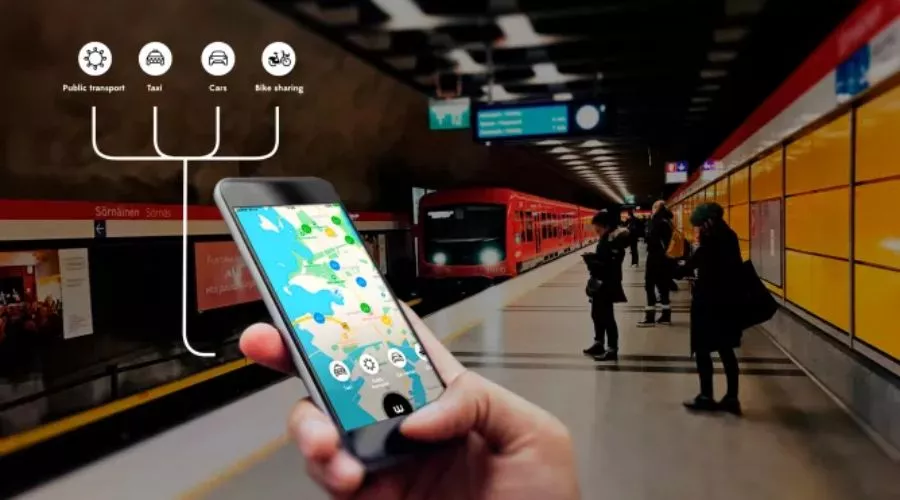
Public transportation is one of the most efficient and affordable ways to move through cities, towns, and regions around the world. Buses, trains, metros, trams, and ferries connect neighborhoods, business districts, cultural hubs, and airports with impressive reach. Yet for many travelers and even locals, navigating public transport can feel overwhelming—especially in unfamiliar places.
With the right knowledge and preparation, public transport becomes a powerful tool rather than a source of stress. From understanding routes and payment systems to avoiding peak-hour crowds, these public transport navigation tips will help you travel confidently, save time, and make the most of every journey.
Why Learning Public Transport Navigation Matters
Public transport offers several advantages:
- Cost-effective travel compared to taxis or private cars
- Reduced environmental impact
- Access to local neighborhoods beyond tourist zones
- Predictable routes and schedules
Mastering navigation allows travelers to move independently, experience destinations more authentically, and avoid unnecessary expenses.
Understand the Local Transport System Before You Go
Every city operates differently. Some rely heavily on metro networks, while others prioritize buses or trams.
Before traveling:
- Identify the main transport types available
- Learn which modes are fastest for long distances
- Understand which systems run late at night
- Check whether routes operate on weekends or holidays
Even a basic overview prevents confusion once you arrive.
Learn the Route Map, Not Just the Destination
Many travelers focus only on where they want to go, not how the system works.
Key things to look for on maps:
- Line colors and numbers
- Direction of travel (inbound vs outbound)
- Transfer points between lines
- End-of-line stations
Understanding how routes connect makes rerouting easier if plans change.
Use Digital Navigation Tools Wisely
Transport apps and map services are invaluable, but they work best when used correctly.
Tips for effective use:
- Download offline maps in case of weak signals
- Check live departure times, not just schedules
- Compare multiple route options
- Read platform or stop details carefully
Digital tools are most effective when combined with basic system awareness.
Master Ticketing and Payment Systems
Payment systems vary widely and are often the biggest source of confusion.
Common formats include:
- Single-ride tickets
- Reloadable travel cards
- Daily or weekly passes
- Contactless bank card payments
- Mobile app tickets
Always check:
- Whether tickets must be validated
- If transfers require separate fares
- Whether fare inspectors operate randomly
Understanding payment rules avoids fines and delays.
Buy Passes If You Travel Frequently
If you plan multiple journeys in a day or week, passes often provide better value.
Benefits include:
- Unlimited rides within a time period
- Faster boarding
- No need to buy tickets repeatedly
Passes also reduce decision fatigue when hopping between destinations.
Pay Attention to Peak and Off-Peak Hours
Rush hours can drastically affect travel time and comfort.
Typical peak periods:
- Early mornings on weekdays
- Late afternoons to early evenings
If possible:
- Travel outside peak hours
- Allow extra time during busy periods
- Choose less crowded carriages
Avoiding peak times makes journeys calmer and more predictable.
Learn Station and Stop Layouts
Large stations can feel like mazes.
To navigate efficiently:
- Follow signage carefully
- Note platform numbers and directions
- Look for color-coded lines
- Identify exits before disembarking
Knowing where to stand and which exit to use can save significant time.
Listen to Announcements and Watch Displays
Audio and visual announcements provide critical updates.
They often include:
- Next stops
- Service changes
- Platform alterations
- Delay notifications
Even if announcements are not in your preferred language, station displays usually reinforce the information visually.
Know When and How to Transfer
Transfers are a normal part of public transport journeys.
Transfer tips:
- Check walking distance between platforms
- Allow buffer time for unfamiliar stations
- Confirm whether a new ticket is required
- Follow signs rather than crowds
A calm, prepared approach prevents rushed mistakes.
Keep Track of Your Direction
Many transport systems run in two opposite directions on the same line.
Before boarding:
- Confirm the terminal station name
- Check whether the train or bus is heading toward or away from your destination
Boarding the wrong direction is common but easily avoided with a quick check.
Be Aware of Local Etiquette
Public transport etiquette differs by region, but some principles are universal.
General etiquette tips:
- Stand on one side of escalators
- Offer priority seating when appropriate
- Keep noise levels low
- Avoid blocking doors
- Remove backpacks in crowded spaces
Following local norms makes travel smoother and more respectful.
Travel Light When Possible
Crowded vehicles are easier to navigate with minimal luggage.
If traveling with bags:
- Use designated luggage areas
- Avoid peak hours
- Choose stations with elevators or ramps
Light travel improves mobility and comfort.
Prepare for Service Changes
Maintenance, weather, or events can disrupt services.
Stay prepared by:
- Checking service alerts before departure
- Having an alternate route in mind
- Allowing extra time for important journeys
Flexibility is key to stress-free navigation.
Safety Tips for Public Transport Users
Public transport is generally safe, but awareness is important.
Safety best practices:
- Keep valuables secure
- Stay alert in crowded areas
- Avoid empty carriages late at night
- Trust official staff and signage
Confidence and awareness go a long way.
Use Landmarks to Orient Yourself
Stations and stops are often near recognizable landmarks.
Using landmarks helps:
- Confirm you are on the right route
- Identify when to disembark
- Navigate exits efficiently
This is especially helpful in areas with unfamiliar street names.
Ask for Help When Needed
Transport staff and fellow passengers are often willing to help.
Good moments to ask:
- Before boarding if unsure about direction
- When ticket machines are unclear
- If signage feels confusing
A quick question can prevent a long detour.
Keep a Backup Plan
Even the best systems experience delays.
Always have:
- An alternate route option
- Extra travel time for critical plans
- Emergency contact information
Prepared travelers adapt easily to changes.
Benefits of Mastering Public Transport Navigation
When you understand public transport, you gain:
- Greater independence
- Lower travel costs
- Access to authentic local areas
- Reduced reliance on taxis or cars
- Increased confidence while traveling
Public transport transforms from a challenge into a powerful advantage.
Public Transport as a Cultural Experience
Beyond practicality, public transport offers insight into daily life. You see how people commute, interact, and move through the city. This perspective adds depth to any journey and fosters a stronger connection to the place you are exploring.
Final Thoughts
Public transport navigation does not require expert knowledge—just preparation, awareness, and a willingness to learn. By understanding routes, payment systems, peak hours, and local etiquette, travelers can move efficiently and confidently through any destination.
With these public transport navigation tips, every journey becomes simpler, smoother, and more rewarding. Whether commuting daily or exploring somewhere new, mastering public transport opens the door to smarter, stress-free travel.