
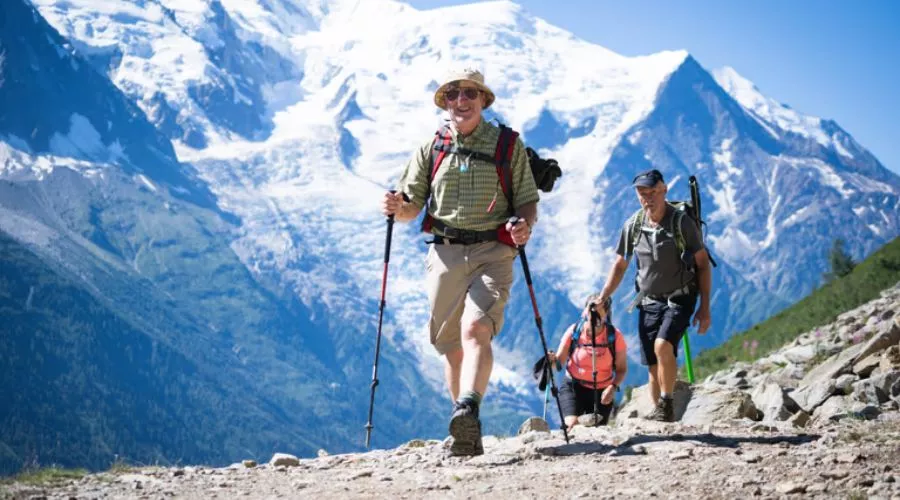
For adventure travelers seeking deeper immersion in landscapes, multi-day hiking and trekking tours offer a transformative experience. Unlike single-day hikes, these extended journeys provide opportunities to explore remote regions, witness changing terrains, and connect with nature in ways that are impossible on a short trip. Each day brings a mix of physical challenge, scenic beauty, and cultural discovery, making multi-day treks a rewarding experience for seasoned hikers and adventure enthusiasts alike.
This guide explores the benefits of multi-day hiking tours, popular destinations, planning tips, safety considerations, and how to make the most of these extended adventures.
Why Choose Multi-Day Hiking and Trekking Tours?
- Deep Immersion in Nature
Multi-day treks allow travelers to move beyond the crowded trails and experience remote landscapes, from alpine meadows to dense forests, serene lakes, and rugged peaks.
- Physical and Mental Challenge
Extended hiking engages the body and mind, fostering endurance, resilience, and a sense of achievement.
- Connection with Local Culture
Some treks pass through villages or indigenous territories, offering insights into traditional lifestyles, customs, and cuisine.
- Variety of Scenery
Unlike single-day hikes, multi-day tours often traverse diverse terrains, including mountains, rivers, valleys, and forests, offering constantly changing perspectives.
- Unplugged and Reflective Experience
Extended treks encourage mindfulness and provide an escape from digital distractions, allowing travelers to connect deeply with the environment.
Popular Multi-Day Hiking and Trekking Destinations
1. Mountain Regions
- Himalayas (Nepal, Bhutan, India): Iconic trails like the Annapurna Circuit, Everest Base Camp, and Bhutan’s Druk Path combine stunning peaks with cultural encounters.
- Rocky Mountains (Canada, USA): Multi-day treks through alpine lakes, glaciers, and rugged terrain appeal to both novice and experienced hikers.
- Andes (Peru, Chile): Classic routes such as the Inca Trail lead to Machu Picchu, offering a mix of history, culture, and high-altitude trekking.
2. Coastal and Island Trails
- Pacific Coast (USA, Canada): Trails along cliffs and beaches provide breathtaking ocean views and moderate challenges.
- New Zealand: The Milford and Routeburn Tracks showcase fjords, waterfalls, and native forests.
- Norwegian Fjords: Trekking along fjord-side trails offers a mix of coastal scenery and mountainous vistas.
3. Desert and Arid Landscapes
- Sahara (Morocco, Tunisia): Multi-day camel-supported treks across sand dunes provide a blend of adventure and cultural insight.
- Atacama Desert (Chile): Trekking among salt flats, volcanic landscapes, and high-altitude lagoons creates an otherworldly experience.
- Southwestern USA (Utah, Arizona): Trails through canyons, mesas, and rock formations combine scenic beauty with challenging terrain.
4. Forests and Rainforests
- Amazon Basin (Peru, Brazil): Multi-day rainforest treks reveal biodiversity, wildlife, and indigenous communities.
- Pacific Northwest (USA, Canada): Lush forests, waterfalls, and mountain lakes make for immersive hiking experiences.
- Southeast Asia (Thailand, Laos, Vietnam): Jungle treks combine tropical scenery with cultural village visits.
Planning a Multi-Day Hiking or Trekking Tour
1. Assess Skill Level and Fitness
- Understand the difficulty of the trek, elevation gain, and daily distance.
- Choose routes that match experience and endurance levels.
2. Decide Between Guided and Independent Treks
- Guided Treks: Offer safety, local knowledge, porters, and logistics support.
- Independent Treks: Require preparation, navigation skills, and self-sufficiency.
3. Map Out Duration and Logistics
- Multi-day treks can range from 2-3 days to several weeks.
- Plan accommodations: mountain huts, campsites, or local guesthouses.
- Consider resupply points for food, water, and gear.
4. Pack Essentials
- Backpack with hydration system
- Weather-appropriate clothing and layers
- Trekking boots or shoes with proper support
- Navigation tools: map, compass, or GPS
- Sleeping bag, tent, or other overnight gear if camping
- First-aid kit and personal medications
On-Trail Experiences
1. Scenery and Wildlife
- Expect panoramic mountain vistas, forest canopies, and river valleys.
- Wildlife sightings vary by region: birds, mammals, and endemic species.
- Observe the landscape’s seasonal changes, such as wildflower blooms or autumn foliage.
2. Cultural Encounters
- Pass through villages, monasteries, or farming communities.
- Engage with local people through traditional meals, crafts, or storytelling.
- Learn about historical and cultural significance tied to the trails.
3. Camping and Accommodation
- Multi-day treks often include stays in tents, mountain huts, or lodges.
- Overnight locations provide opportunities for stargazing and reflection.
- Group treks often include shared meals and communal spaces.
Safety Considerations
- Altitude Awareness
- High-altitude treks require acclimatization to prevent altitude sickness.
- Ascend gradually and monitor physical symptoms.
- High-altitude treks require acclimatization to prevent altitude sickness.
- Weather Preparedness
- Mountain weather can change rapidly; carry waterproof gear and layered clothing.
- Mountain weather can change rapidly; carry waterproof gear and layered clothing.
- Trail Safety
- Stick to marked paths and avoid shortcuts.
- Use trekking poles for stability on uneven terrain.
- Stick to marked paths and avoid shortcuts.
- Emergency Planning
- Know nearest medical facilities and emergency contacts.
- Consider carrying a satellite phone or personal locator beacon in remote areas.
- Know nearest medical facilities and emergency contacts.
Maximizing the Experience
1. Mindful Hiking
- Take moments to observe nature, listen to wildlife, and enjoy scenic vistas.
- Document the journey with photos or journaling.
2. Physical Preparation
- Train prior to departure: cardio, strength training, and endurance hikes.
- Stretch before and after each day to prevent injuries.
3. Engage with Local Guides
- Guides provide history, geology, and cultural insights along the trail.
- Learn about native flora, fauna, and conservation practices.
4. Nutrition and Hydration
- Carry energy-dense snacks like nuts, dried fruit, and energy bars.
- Drink water regularly and monitor for signs of dehydration.
Sustainable Trekking Practices
- Leave No Trace: Pack out all waste, avoid disturbing wildlife, and minimize environmental impact.
- Respect Local Communities: Ask before photographing residents or sacred sites.
- Support Local Economy: Hire local guides, buy handmade goods, and stay in community-run lodges.
- Use Eco-Friendly Gear: Choose reusable containers, biodegradable soaps, and sustainable fabrics.
Adventure and Personal Growth
Multi-day treks challenge both body and mind:
- Physical Endurance: Builds strength, stamina, and resilience.
- Mental Clarity: Time in nature enhances mindfulness and reduces stress.
- Connection with Nature: Extended exposure fosters appreciation and environmental awareness.
- Sense of Accomplishment: Completing a multi-day trek is immensely rewarding and boosts confidence.
Types of Trekking Styles
- Backpacking Trek
- Self-supported with personal gear and supplies.
- Ideal for experienced adventurers seeking independence.
- Self-supported with personal gear and supplies.
- Supported Trek
- Porters or mule teams carry heavy gear.
- Allows focus on hiking without logistical burdens.
- Porters or mule teams carry heavy gear.
- Luxury Trek
- Combines trekking with comfortable accommodations, gourmet meals, and guided support.
- Focuses on immersive experience without sacrificing comfort.
- Combines trekking with comfortable accommodations, gourmet meals, and guided support.
Multi-Day Trek Itineraries by Region
- Europe: Tour the Alps, Pyrenees, or Scottish Highlands.
- Asia: Explore the Himalayas, Karakoram, or tropical jungles of Southeast Asia.
- North America: Discover the Rockies, Appalachian Trail sections, or Pacific Coast trails.
- South America: Trek the Andes, including Inca Trail or Patagonian routes.
- Africa: Hike through Atlas Mountains, Drakensberg, or Kilimanjaro approaches.
Each region offers unique landscapes, cultural interactions, and challenges.
Practical Tips for First-Time Multi-Day Trekkers
- Start with Shorter Treks: Build stamina and experience before tackling longer, challenging routes.
- Test Gear in Advance: Break in boots, backpacks, and trekking poles.
- Plan Rest Days: Schedule recovery days if undertaking consecutive treks.
- Carry Essential Documents: ID, permits, insurance, and emergency contacts.
- Be Flexible: Weather, trail conditions, or local events may require itinerary adjustments.
Final Thoughts
Multi-day hiking and trekking tours provide a holistic travel experience, combining physical adventure, natural beauty, and cultural immersion. From high mountain peaks to lush forests, desert landscapes, and coastal cliffs, these journeys challenge the body, enrich the mind, and leave lasting memories. With proper preparation, respect for local environments, and a spirit of curiosity, travelers can transform multi-day treks into unforgettable adventures that resonate long after the final step.
Extended hikes aren’t just a travel activity—they’re a journey into resilience, discovery, and a deeper connection to the world’s diverse landscapes.