
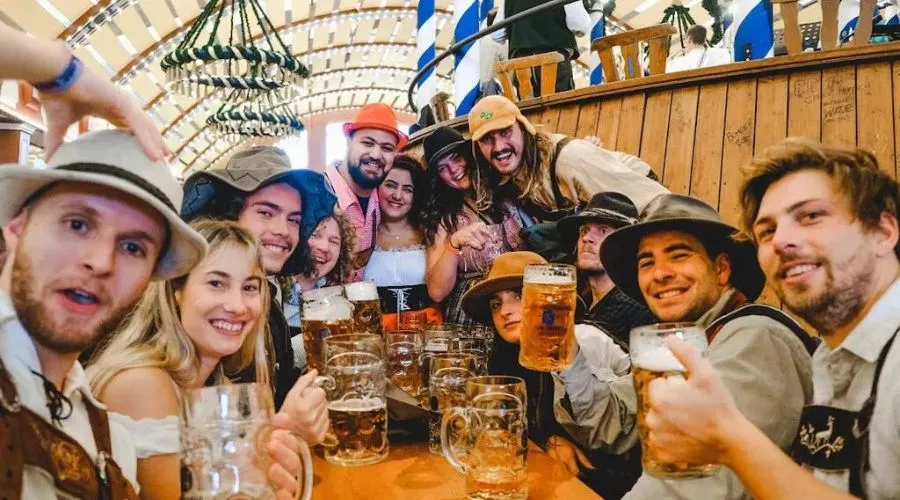
For travelers who seek more than sightseeing, cultural day trips and activities offer a gateway to the heart of a destination. These experiences provide insight into local traditions, history, art, and cuisine, allowing participants to engage directly with the people, stories, and heritage that define a place. A single day can reveal centuries of culture, spark creativity, and foster meaningful connections, making cultural day trips ideal for those who want depth without a long-term commitment.
This guide explores the variety of cultural day trips and activities available, tips for planning, and practical advice for maximizing both enjoyment and learning.
Why Choose Cultural Day Trips?
Cultural day trips offer several compelling advantages:
- Authentic Engagement
Travelers experience traditions, crafts, and performances that reveal local ways of life.
- Time Efficiency
Ideal for those based in cities or regions for a limited time, allowing meaningful exploration without overnight stays.
- Learning and Enrichment
Visitors gain historical, artistic, and culinary knowledge through hands-on experiences.
- Support for Local Communities
Participating in cultural tours often benefits artisans, performers, and local guides.
- Versatility
Activities can be tailored to individual interests, from art and history to music, culinary arts, and traditional crafts.
Popular Types of Cultural Day Trips
Cultural day trips span diverse experiences. They often combine sightseeing with participatory activities, ensuring a deeper understanding of local life.
1. Historical and Heritage Tours
Exploring a destination’s history is a popular way to engage culturally.
- Guided Walking Tours: Explore ancient neighborhoods, historic landmarks, and architectural marvels with expert guides.
- Castle and Palace Visits: Discover royal history, art collections, and architectural styles.
- Archaeological Excursions: Step into the past at ruins, ancient temples, or historic battlefields.
Tip: Look for tours with knowledgeable guides who can share stories beyond typical facts, bringing history to life.
2. Art and Museum Experiences
Art-focused day trips immerse travelers in creative expression.
- Art Galleries and Museums: View iconic and contemporary works, often with guided commentary.
- Studio Visits: Meet local artists, observe techniques, and participate in workshops.
- Public Art Tours: Explore murals, sculptures, and street art in urban areas.
Tip: Some museums offer early morning or after-hours access for smaller crowds and more intimate experiences.
3. Culinary and Gastronomic Experiences
Food is central to culture, and culinary day trips offer a taste of local identity.
- Cooking Classes: Learn to prepare regional dishes with guidance from local chefs or home cooks.
- Food Markets and Tastings: Sample local produce, spices, pastries, and street food while exploring markets.
- Wine, Tea, or Coffee Tours: Discover production processes, tasting techniques, and pairing traditions.
Tip: Opt for tours led by locals to gain authentic insights into ingredients, flavors, and culinary customs.
4. Traditional Crafts and Hands-On Workshops
Participatory workshops deepen appreciation for local artistry.
- Pottery and Ceramics: Craft pieces under expert instruction.
- Textiles and Weaving: Explore patterns, materials, and traditional techniques.
- Music and Dance Workshops: Learn regional rhythms, instruments, or traditional dances.
Tip: Taking home a handmade piece or a skill learned adds lasting value to the day trip experience.
5. Festivals and Cultural Events
Cultural festivals are a concentrated way to experience heritage and community spirit.
- Music and Dance Festivals: Celebrate local sounds and movements.
- Seasonal Fairs and Markets: Experience crafts, foods, and ceremonies tied to local traditions.
- Religious or Cultural Ceremonies: Witness rituals, parades, or performances while respecting local customs.
Tip: Check event calendars and plan ahead, as festival dates vary and may require early booking.
6. Village and Community Visits
Visiting rural or traditional communities offers perspective beyond urban centers.
- Craft Villages: Observe and participate in artisanal production.
- Cultural Homestays: Spend part of the day with a local family, learning about daily life.
- Local Storytelling or Folklore Sessions: Engage with legends, myths, and oral histories.
Tip: Approach with respect, follow local guidelines, and engage genuinely to enrich the experience.
Planning the Perfect Cultural Day Trip
Careful planning ensures a fulfilling and smooth experience.
1. Research Destinations and Activities
- Identify what aligns with your interests: history, art, food, crafts, or music.
- Check availability, duration, and difficulty of activities.
2. Book in Advance
- Guided tours, workshops, and special events may sell out.
- Reserve tickets or slots early to secure your preferred experience.
3. Combine Activities Wisely
- Cluster nearby sites or workshops to minimize travel time.
- Balance intense activities with more relaxed periods to avoid fatigue.
4. Understand Local Etiquette
- Learn cultural norms for dress, behavior, photography, and interaction.
- Respect rules in sacred sites, museums, and traditional workshops.
5. Prepare Essentials
- Comfortable clothing and footwear
- Water and snacks
- Notebook or camera for capturing memories
- Local currency for markets or tips
Safety and Accessibility Considerations
Cultural day trips are generally low-risk, but awareness enhances comfort:
- Accessibility: Check if sites or workshops accommodate mobility needs.
- Crowds: Busy festivals or markets may require early arrival.
- Health Precautions: Carry medications or hygiene essentials if traveling in remote areas.
- Travel Insurance: Ensure coverage for activities, particularly workshops or guided excursions.
Combining Cultural Experiences with Local Exploration
Cultural day trips often pair well with other forms of exploration:
- Walking or Cycling Between Sites: Combines exercise with immersive sightseeing.
- Short Public Transport Routes: Experience daily life while reaching multiple destinations.
- Evening Cultural Programs: Attend performances or workshops after daytime visits.
This approach creates a layered, enriching experience throughout the day.
Cultural Day Trips for Different Destinations
- Europe: Explore medieval villages, local artisan workshops, wine-tasting tours, and art museum visits.
- Asia: Participate in tea ceremonies, cooking classes, temple tours, and craft workshops.
- Africa: Visit tribal communities, cultural heritage sites, and music and dance performances.
- Americas: Discover indigenous crafts, urban art tours, food markets, and historical walking tours.
- Oceania: Engage with coastal villages, traditional performance arts, and local food experiences.
Benefits of Guided vs. Independent Cultural Day Trips
Guided Trips
- Expert knowledge and storytelling
- Organized logistics and time-saving routes
- Opportunities to ask questions and interact
Independent Exploration
- Flexibility to explore at one’s own pace
- Potential to discover hidden gems
- Greater freedom in itinerary choices
Both approaches offer unique value depending on traveler preferences and comfort levels.
Maximizing the Cultural Experience
- Engage All Senses: Taste, touch, see, and listen to the environment and traditions.
- Ask Questions: Guides and locals can provide depth and context.
- Document the Day: Journals, photos, or sketches enhance recollection and reflection.
- Try New Things: Participate in workshops, sample unusual foods, and interact with locals.
- Reflect on Experiences: Take a few moments at the end of the day to appreciate the cultural immersion.
Sustainable and Responsible Cultural Travel
Cultural day trips are enriched when travelers approach them responsibly:
- Support local artisans and businesses
- Respect historical and sacred sites
- Avoid disruptive behavior at cultural events
- Minimize waste and environmental impact
- Engage with communities ethically, with curiosity and respect
Responsible travel ensures that traditions thrive for future generations.
Why Cultural Day Trips Leave a Lasting Impact
Unlike passive sightseeing, cultural day trips immerse travelers in experiences that resonate long after the journey ends. Participating in workshops, sharing meals, or learning local history fosters empathy, understanding, and personal growth. These activities create stories, skills, and memories that remain vivid, connecting travelers to the heart of the places they visit.
Final Thoughts
Cultural day trips and activities offer an unparalleled way to explore destinations deeply in a short time. They provide insight into history, traditions, art, and food while encouraging meaningful engagement with local communities. From hands-on workshops and guided heritage tours to festivals, culinary experiences, and village visits, cultural day trips transform ordinary travel days into enriching adventures.
For travelers seeking depth, authenticity, and connection, cultural day trips offer a window into the soul of a destination, delivering experiences that linger long after the trip ends.